

Out With The Old
If you’ve been saving these seeds, it may be time to buy fresh.
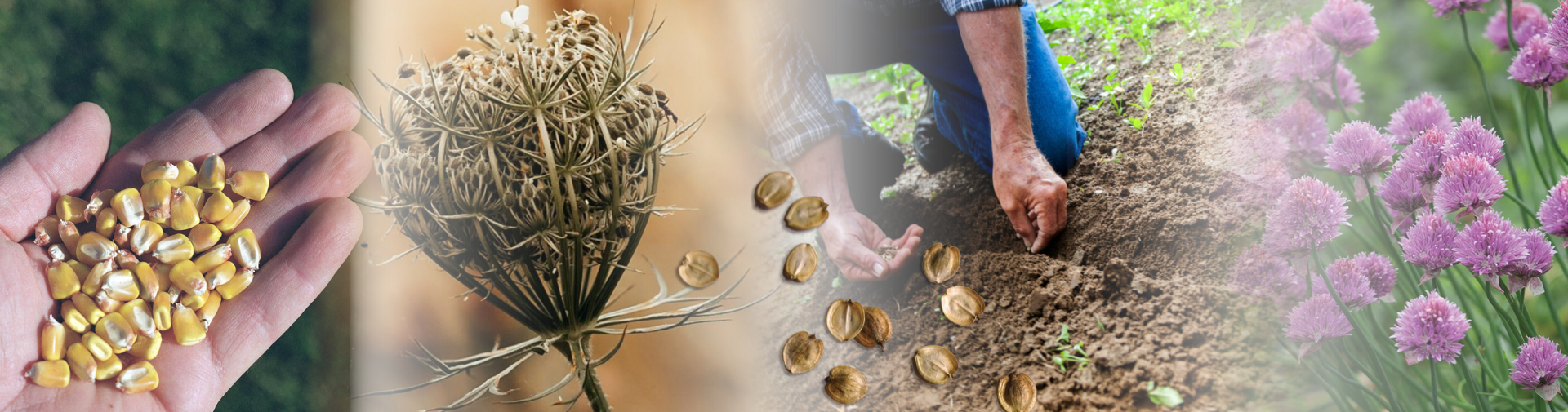
Like many gardeners, I don’t always use a whole packet in one season and will hold on to those remaining seeds to plant the following year. To be clear, we’re not talking about hermetically sealed seeds, stored below the Norwegian tundra, at a -18° C. No, this is about that half a packet of snap peas that over-wintered in the back of the kitchen drawer. There are certainly steps you can take to increase the longevity of your seeds, but the reality is that a dry, cool-ish spot, tucked mostly out of the way, with their torn tops folded a time or two to keep them from spilling, is more likely to be their fate. This works just fine for many seeds, but there are some types of seeds that simply don’t keep as well as others.
Seeds Age
Seeds are living things, and even in their dormant state, your seeds breathe. Breathing is how they turn their stored sugars into energy to sustain themselves. Over time, this process leads to increased fatty-acid peroxidation and can be damaging to the cell membranes. This can also result in decreased vigor, even when older seeds are able to germinate. The varying composition of the seed and seed coat, as well as environmental factors like exposure to heat and light, can impact the rate of oxidative decomposition. Listed below are some of the varieties that are best to buy new each year.
Alliums
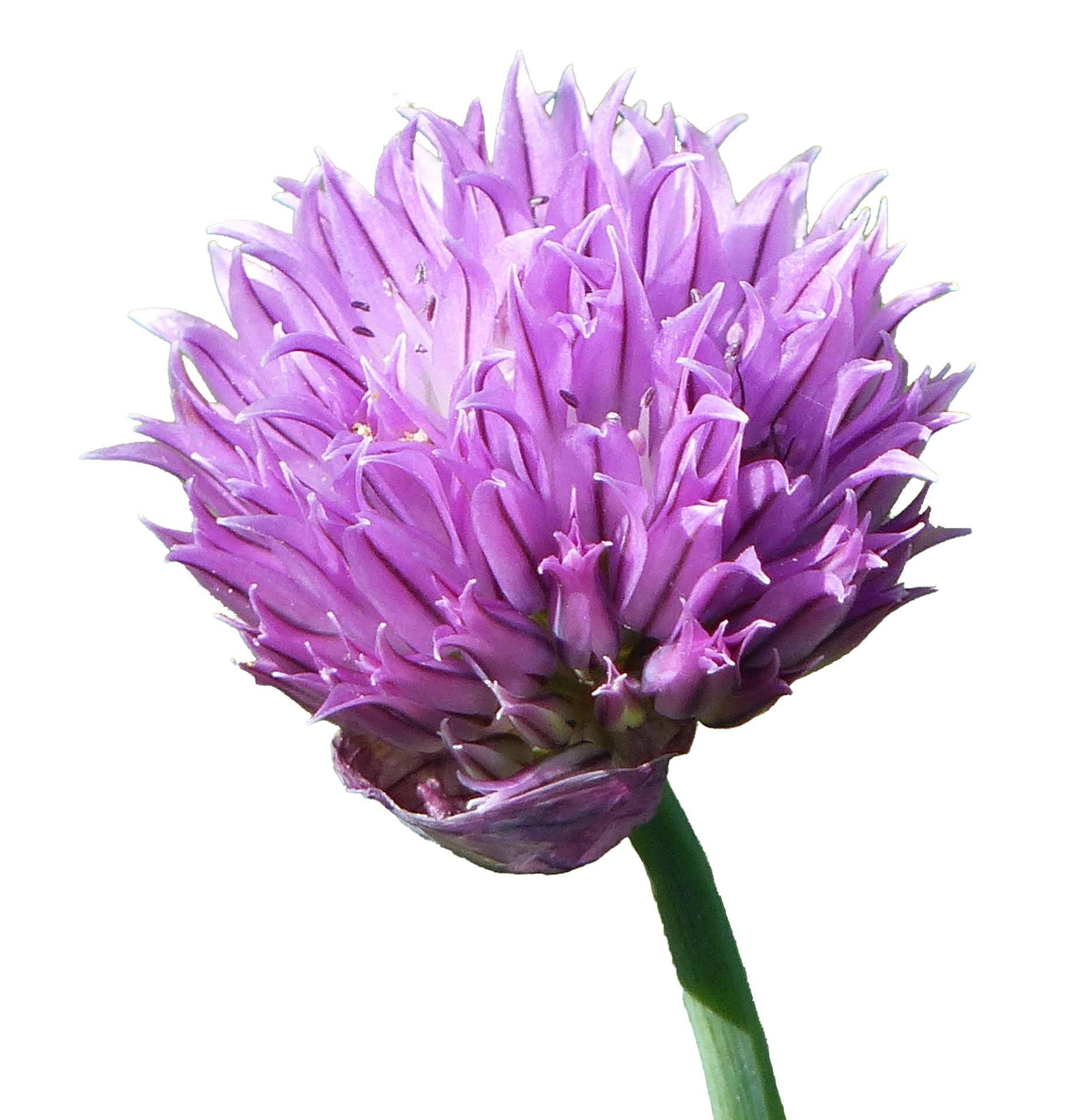
Varieties of the genus allium are notorious for germination rates that rapidly diminish after the first year. This includes onions, garlic, leeks, scallions, and chives. While alliums are prone to the same general types of cellular degradation just as other seeds on the list, this interesting study also found them to significantly and detrimentally “leak sugars and electrolytes.”1
Lettuce
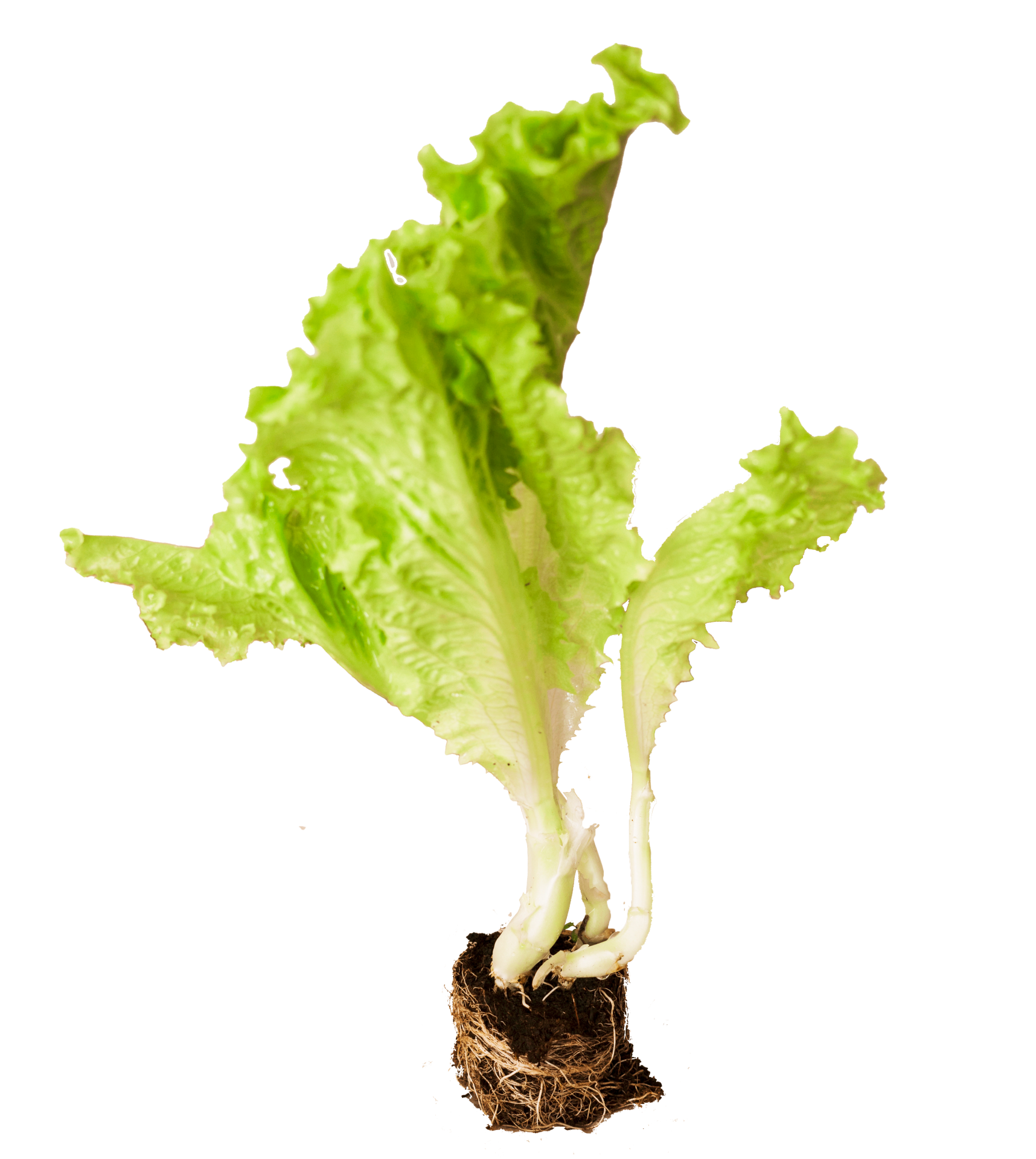
Germination rates in lettuce seed begin to drop off significantly after 2 years. Lettuce seeds are also more prone than other types of seed to thermoinhibition, a heat sensitivity which inhibits germination during periods of high heat. Extended exposure to heat may cause seeds to enter a state of thermodormancy, in which “even if external conditions conducive to seed germination are provided at a later stage, the seeds do not germinate rapidly; only after application of special treatment can seeds resume germination.”2 Therefore, it is important that stored lettuce seeds are kept in a cool environment even throughout their “fresh” growing season.
Sweet Corn
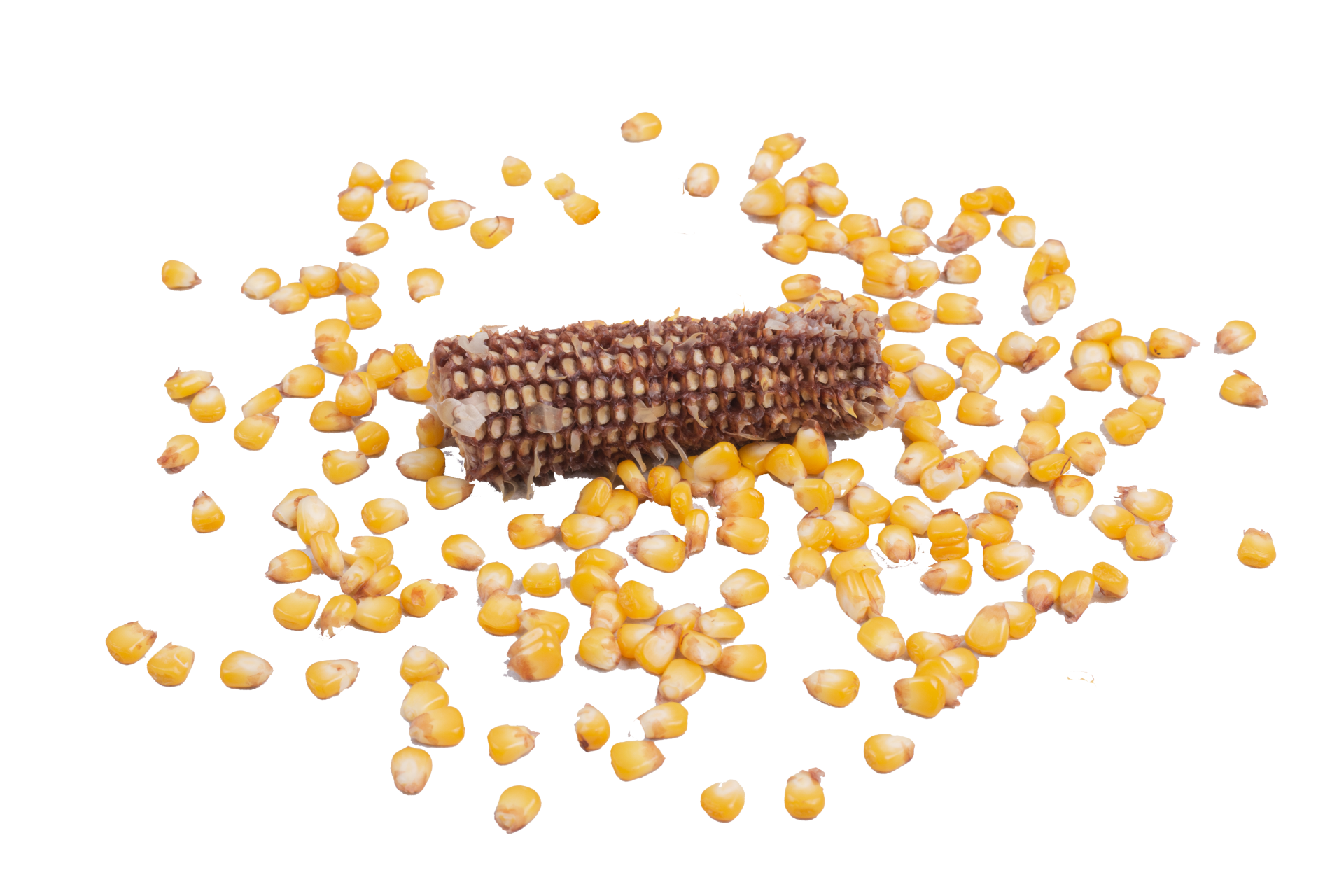
While field or dent corn’s hardier structure enables it to have a longer shelf life, it’s just not as tasty as sweet corn. Sadly, it is sweet corn’s higher sugar content that causes these seeds to deteriorate more rapidly, giving them a self-life of only 1-2 years, compared to the 5 or more years of field corn.
Carrots
Carrots produce very delicate seedlings, which can make germinating them tricky. Perhaps it is their delicate nature that causes the decline in their germination rates as well, like an increased risk of damage to their fragile embryo or inability of the tender radicle to break through a seed coat that hardens as they age.
Peppers
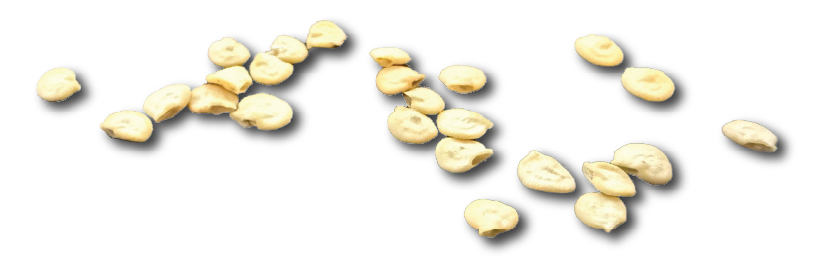
Peppers are fickle seeds to germinate even in their best days. They have a hard seed coat that continues to harden as the seed ages. I’ve also heard rumors that the hotter the pepper, the more difficult it is to germinate. This study that found capsaicin, the chemical that gives peppers their spicy personalities, to have an allelopathic effect on germination, would seem to support this idea.3
Pro Tip: Peppers germinate best with heat and patience.
Parsnips
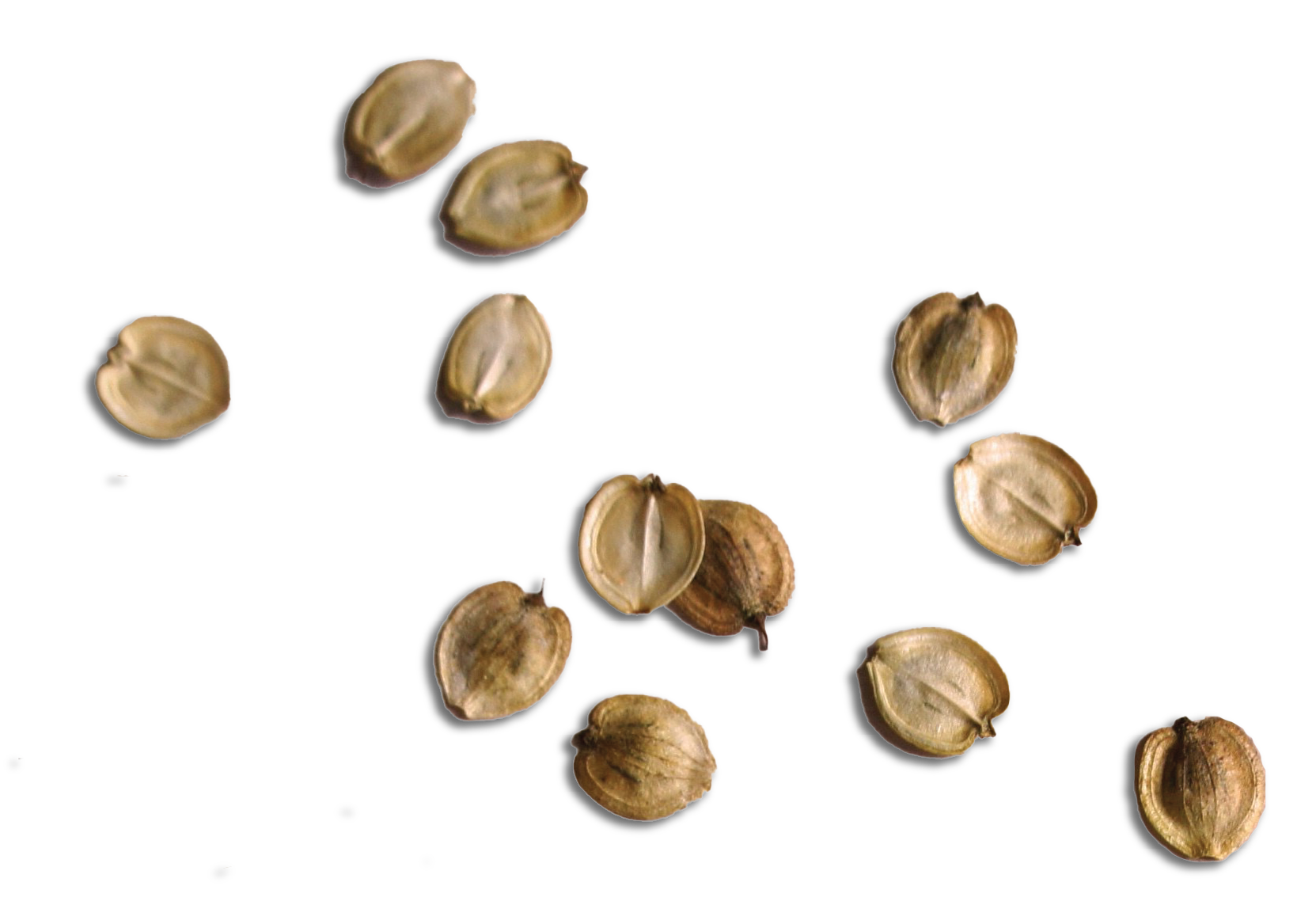
Parsnips have less vigor and stored energy than other seeds to begin with and this naturally decreases their window of viability. After a year, they have depleted much of their stored energy and their vigor is markedly decreased.
It’s always fun to see how long seeds will last and if that 13-year-old packet of beans you found tucked behind your seed starting supplies will germinate. Heck, we know that heirlooms, long thought to be lost, have been brought back into cultivation from rediscovered saved-seed, many decades after they were last known to have been grown. Scientist were even able to germinate this flower from seeds that emerged out of the Siberian permafrost after 30,000 years.4 Seeds can be pretty amazing! But if you’re depending on your garden to be bountiful and productive, do yourself a favor with the varieties we’ve mentioned and sow them fresh.
- Kamaei R, Kafi M, Afshari RT, Shafaroudi SM, Nabati J. Physiological and molecular changes of onion (Allium cepa L.) seeds under different aging conditions. BMC Plant Biol. 2024 Feb 3;24(1):85. doi: 10.1186/s12870-024-04773-7. PMID: 38308226; PMCID: PMC10837900. ↩︎
- [1] Wei J, Zhang Q, Zhang Y, Yang L, Zeng Z, Zhou Y, Chen B. Advance in the Thermoinhibition of Lettuce (Lactuca sativa L.) Seed Germination. Plants (Basel). 2024 Jul 25;13(15):2051. doi: 10.3390/plants13152051. PMID: 39124169; PMCID: PMC11314492. ↩︎
- Derek W. Barchenger, Paul W. Bosland,
Exogenous applications of capsaicin inhibits seed germination of Capsicum annuum,
Scientia Horticulturae,
Volume 203,
2016,
Pages 29-31,
ISSN 0304-4238,
https://doi.org/10.1016/j.scienta.2016.03.009.
(https://www.sciencedirect.com/science/article/pii/S0304423816301157)
Abstract: Secondary metabolites, for example capsaicin, are substances with no known direct function in basic metabolism, but can provide some important adaptive significance in protection against herbivory and/or microbial infection. Capsaicin, responsible for the heat sensation in chile pepper fruit, is only found in the genus Capsicum (chile peppers). Like the accumulation of capsaicinoids, germination of chile pepper seed has been observed to vary among genotypes. To test whether capsaicin could be a contributor to reduced seed germination, two no-heat cultivars, Keystone Resistant Giant and Pimiento L, were treated with capsaicin to determine its effect on germination. Seeds were treated with 0, 500, or 1500ppm capsaicin. Capsaicin treatment resulted not only in reduced but also delayed germination. We determined that capsaicin can decrease chile pepper seed germination, and may be the cause of slow germination in some chile pepper cultivars.
Keywords: Allelopathy; Autotoxin; Chile pepper; Secondary metabolites ↩︎ - S. Yashina, S. Gubin, S. Maksimovich, A. Yashina, E. Gakhova, & D. Gilichinsky, Regeneration of whole fertile plants from 30,000-y-old fruit tissue buried in Siberian permafrost, Proc. Natl. Acad. Sci. U.S.A. 109 (10) 4008-4013, https://doi.org/10.1073/pnas.1118386109 (2012). ↩︎