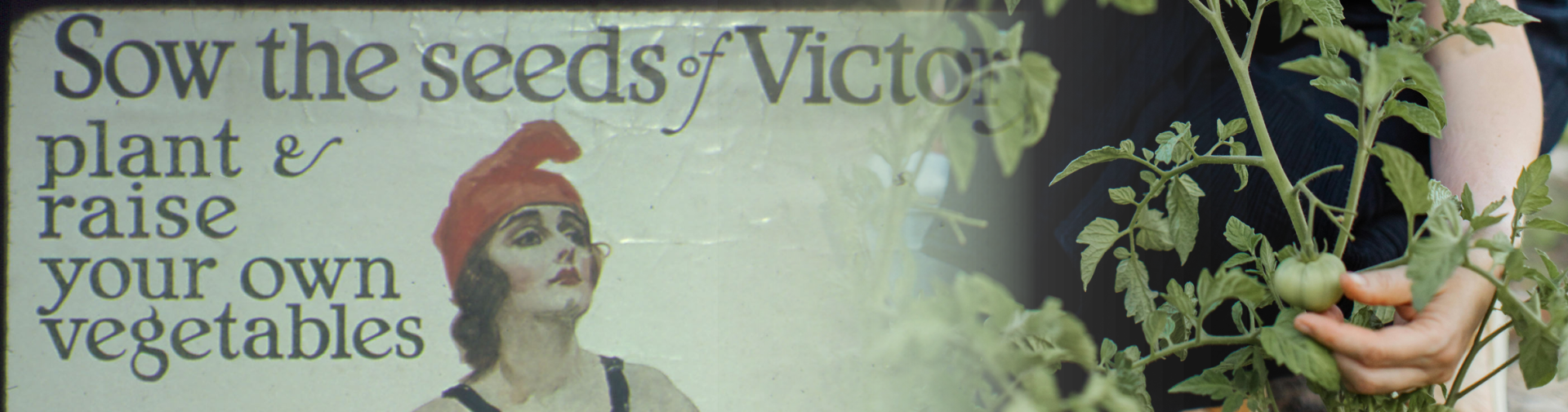


Progress Gardens
I’m sure you’ve probably heard by now that we are at war with Iran. This was not the news I had hoped to wake up to Saturday morning. I’m not trying to get political, but there’s no use denying that this is where we’re at. I’m just a realist and, all politics aside, it is undeniable that war takes a toll on all of us.
Though the war is half a world away, we very much feel it here at home. We feel it as fear and uncertainty for the future. We will feel it in empty chairs around dining tables across the country, missing family members that have been deployed. And we will likely feel it in our pocketbooks, as we are already seeing increases in oil prices and who know what else may go up. Today, it all feels very heavy and insurmountable, but there are things you can do to feel lighter.
One of them, my favorite one in fact, is growing a garden.
While the Victory Gardens of WWII may be a thing of the past, this is still a wonderful way to help support yourself, your family, and your community. Growing fresh, nutrient-dense foods at home could help ease your grocery budget, strengthen your community, and clear your troubled mind, at least a little. So, let’s not call them Victory Gardens, let us instead call them Progress Gardens, because we know the work is never done. This is about working together to build up our communities and lighten each other’s loads, and that feels like progress. Here are some of our favorite bang-for-your-buck varieties.
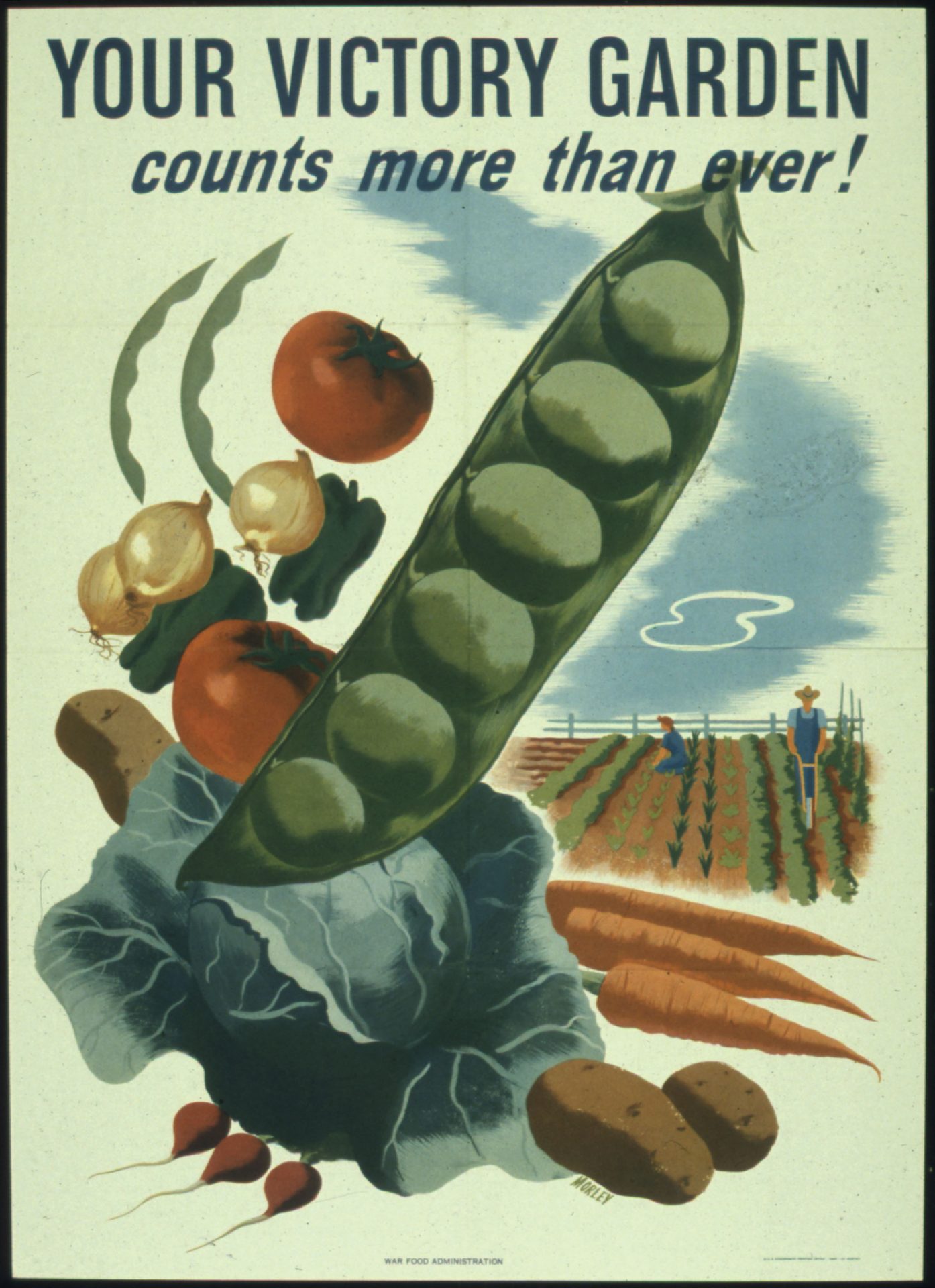
Squash
Squash are a great choice because they are nutritious and prolific. With so many varieties of squash and so many uses, they have absolutely become one of my favorite garden staples. Summer squashes, like yellow and zucchini, mature quickly and produce continuously throughout the season. Winter squash take longer to mature but can produce just as prolifically. These hard rind squash can be stored for months, keeping your pantry stocked in acorn and butternut varieties well into the winter.
Pro tip: If you’re short on space, squash plants can be grown vertically with proper support!
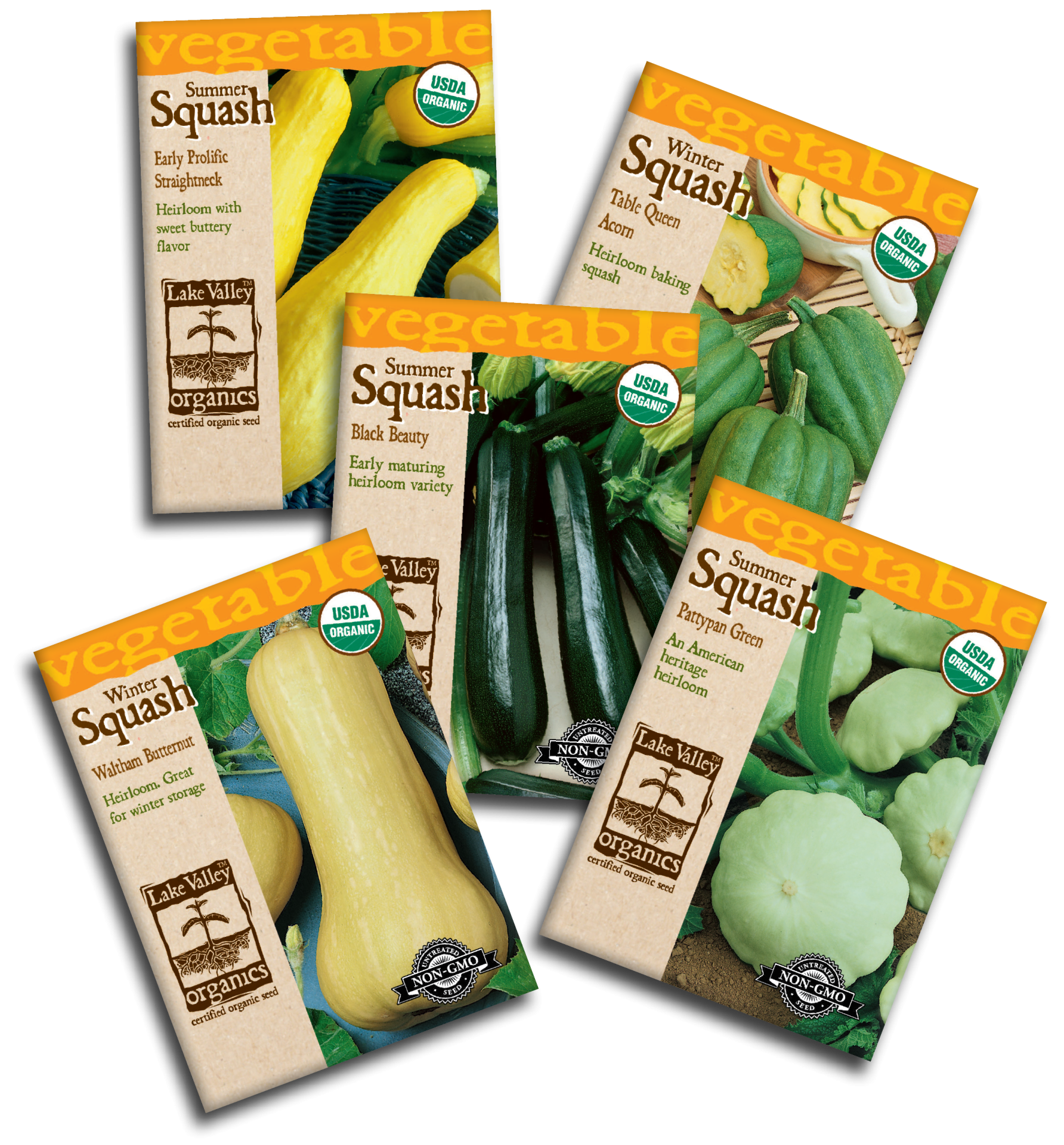
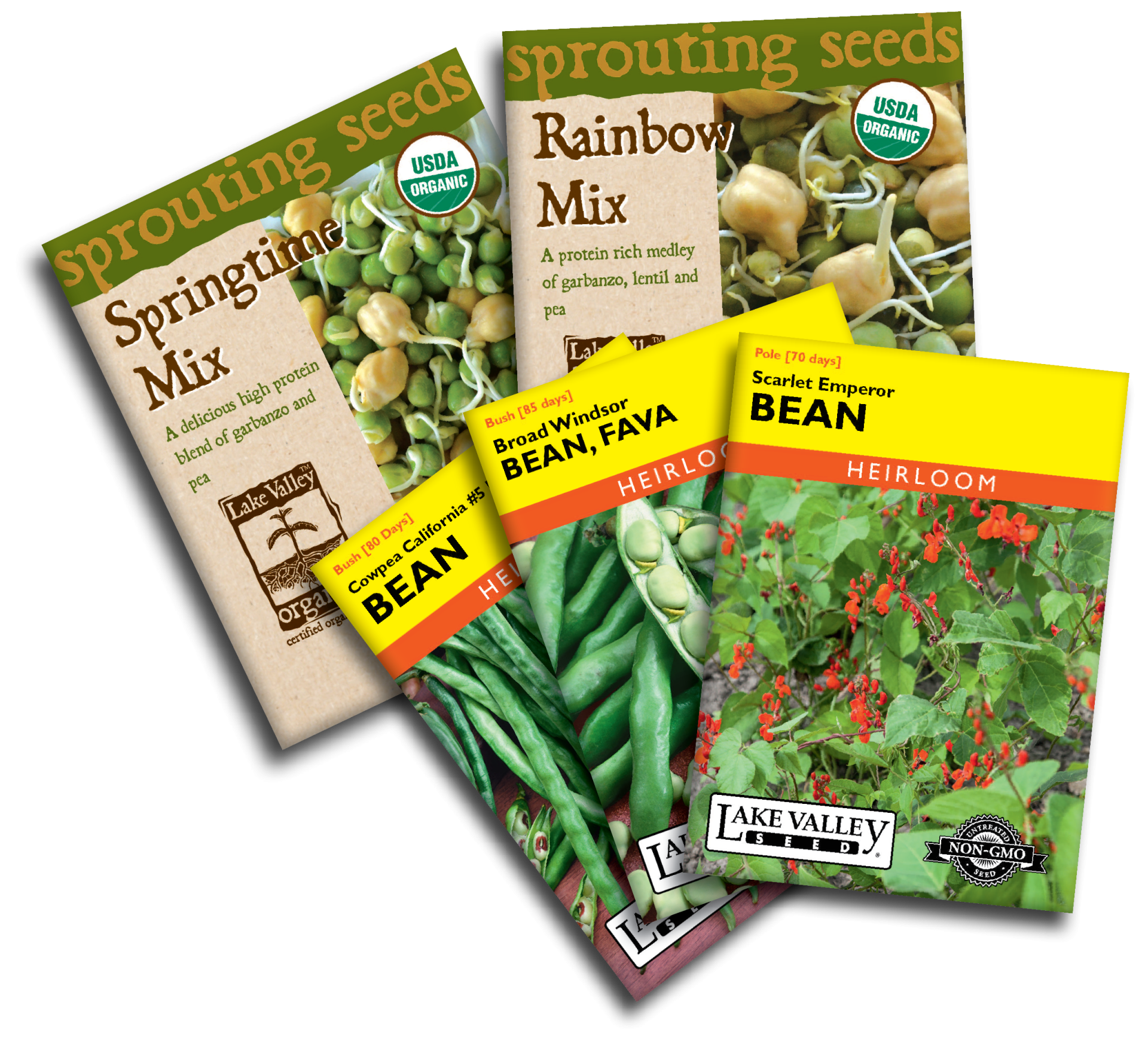
Beans
It is no wonder that beans are a staple of cuisines the world over. They are a good source of protein, vitamins and minerals. Some beans can be eaten fresh when they are young and tender, while others are best left to fully mature before being shelled and dried for extended storage. Some can be enjoyed either way! A few of our favorite beans include pinto beans, fava beans, cowpeas, chickpeas, lentils, and scarlet emperor beans.
Corn
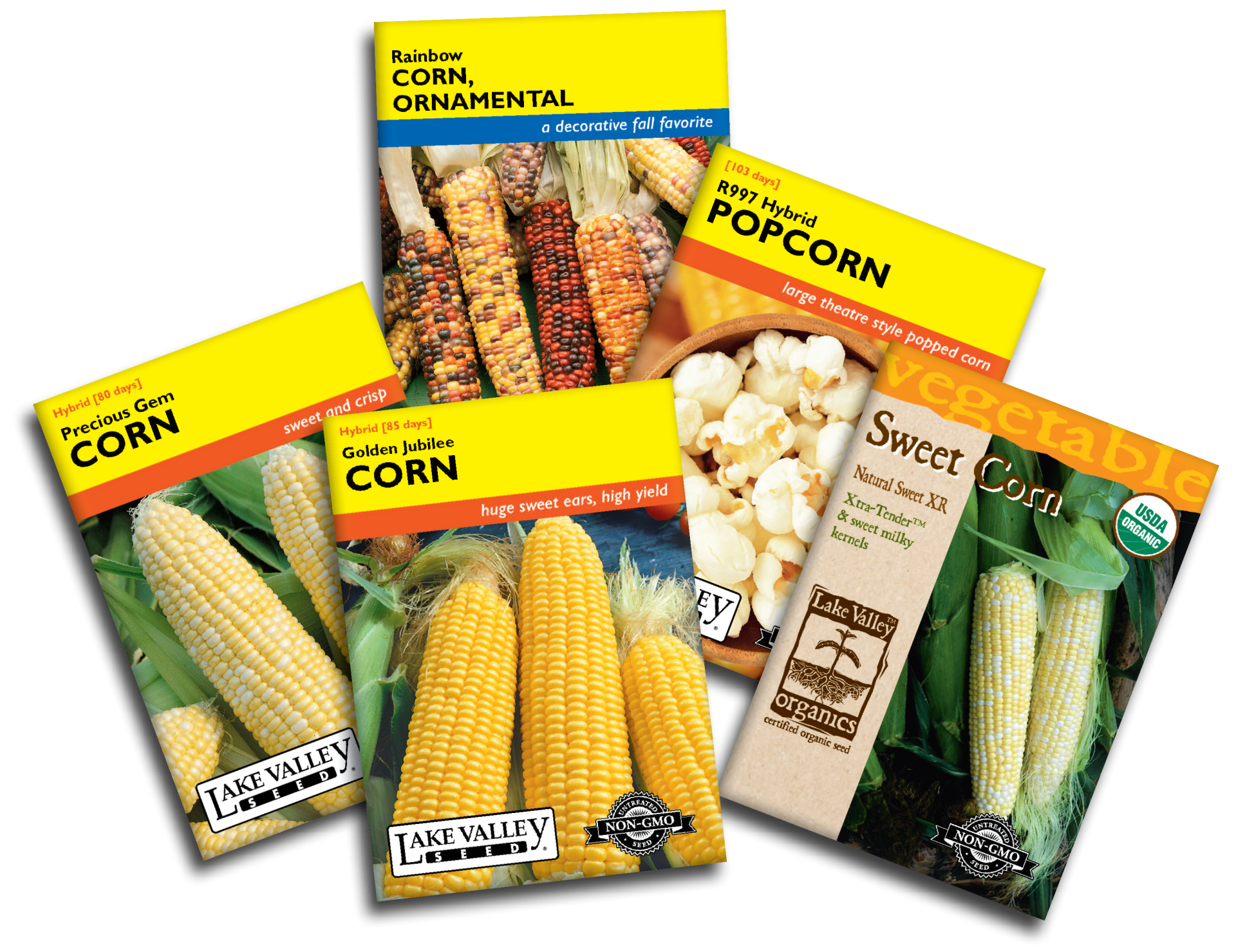
Corn is a nutritious and versatile cereal grain that has been grown for centuries. Pop it, puff it, grind it into flour, or enjoy it straight off the cob. It is a source of energy-fueling starch, protein, and fiber.
Spinach
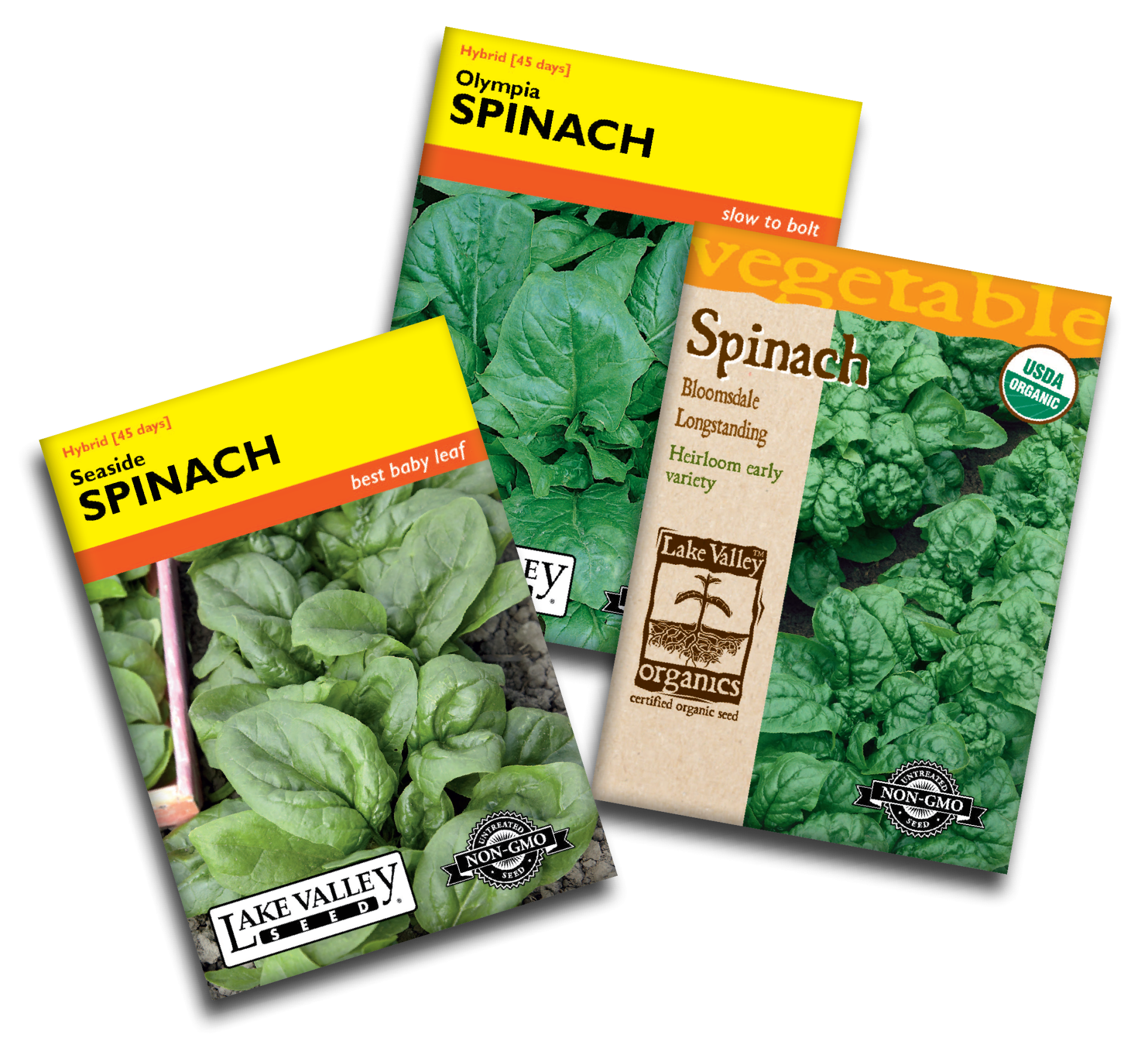
“Oh my groshk!” There is a reason that spinach was the fuel that powered Popeye’s super muscles. Spinach is a nutrient powerhouse. Spinach is quick to mature. It takes about a month and half to two months, depending on the variety, though you can harvest baby spinach at around one month! Keep the spinach coming by growing in succession or only harvesting a few outer leaves at a time.
Tomato
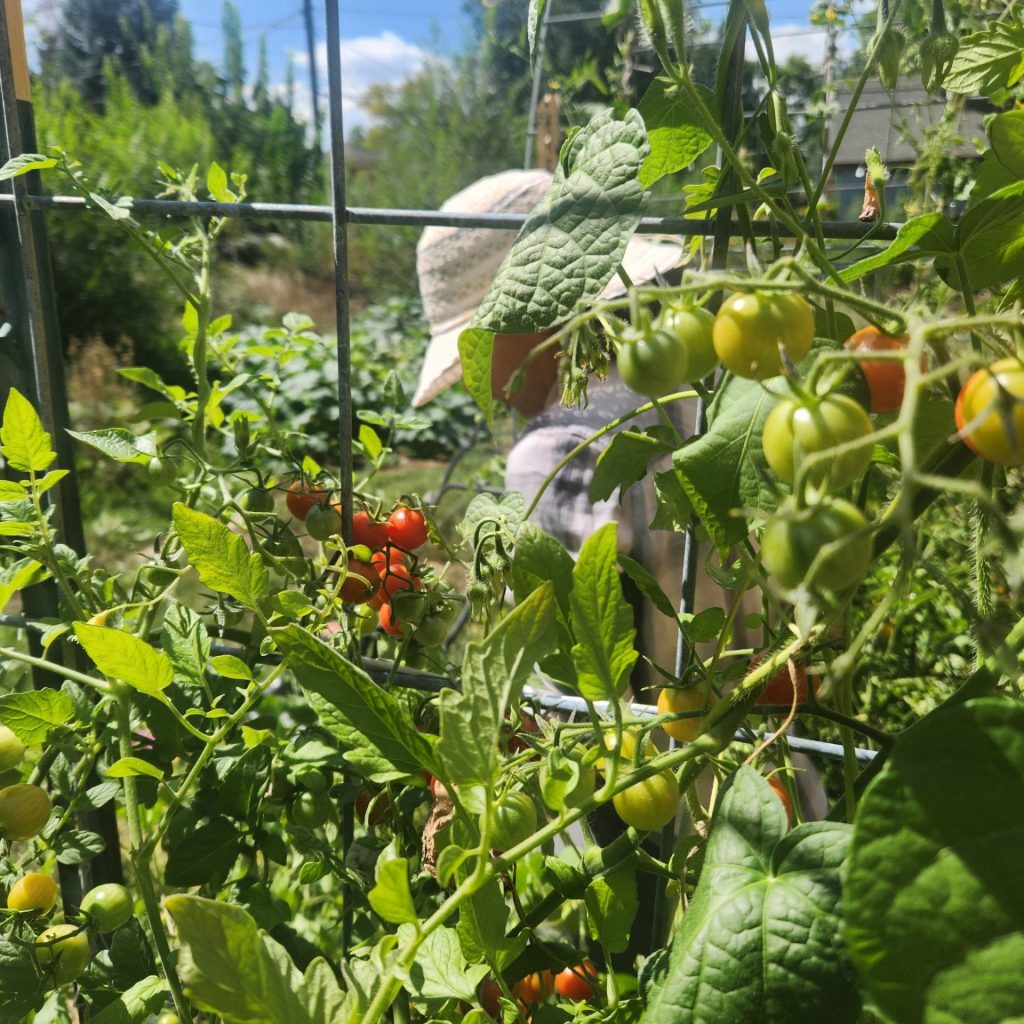
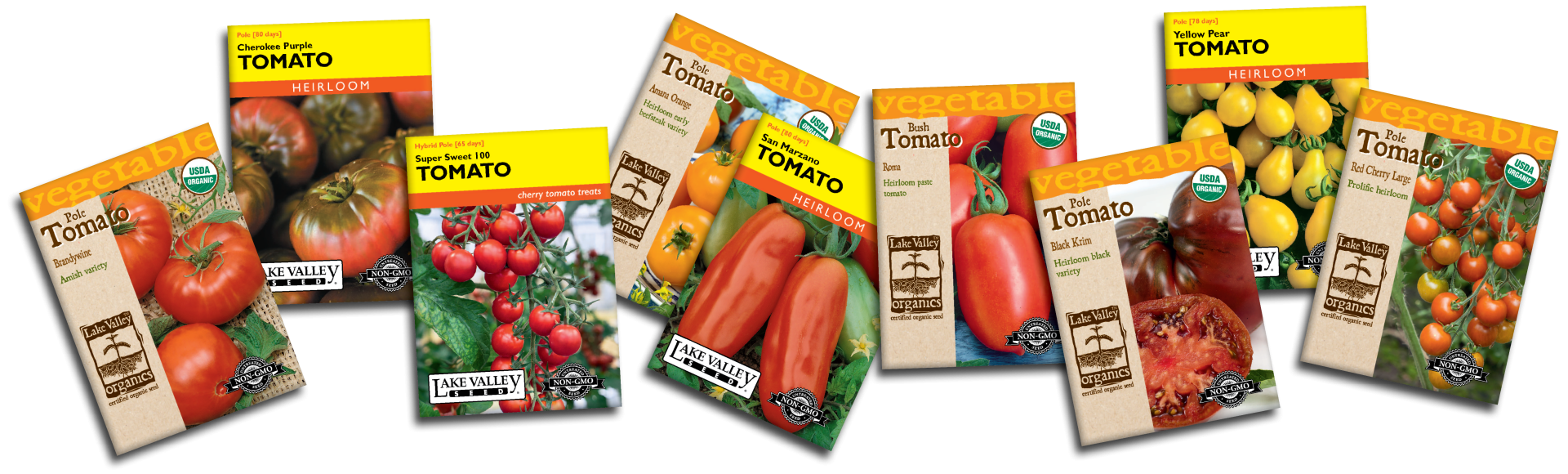
While not particularly high in protein or carbohydrates, tomatoes are a good source of vitamins, such as vitamin C, antioxidants like lycopene, and minerals, like potassium and magnesium. And nothing warms my heart like eating sun drenched tomatoes straight off the vine in mid-July, making them one of the most important additions to my garden.
If you’re feeling overwhelmed and at a loss as to what you can do in this tumultuous moment, spend some time in the garden, grow a bit extra to share, check in on your neighbors (bring tomatoes), take out your frustrations on some weeds, and grow something beautiful and sustaining.