

Come Rain or Shine
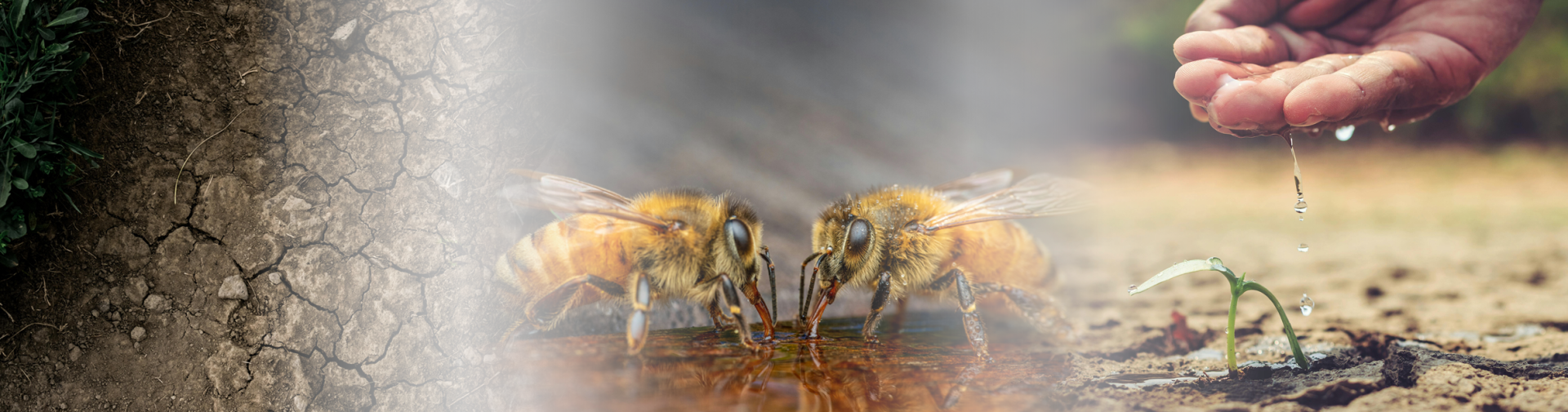
We all know that April showers bring May flowers, but what do April dust baths bring?
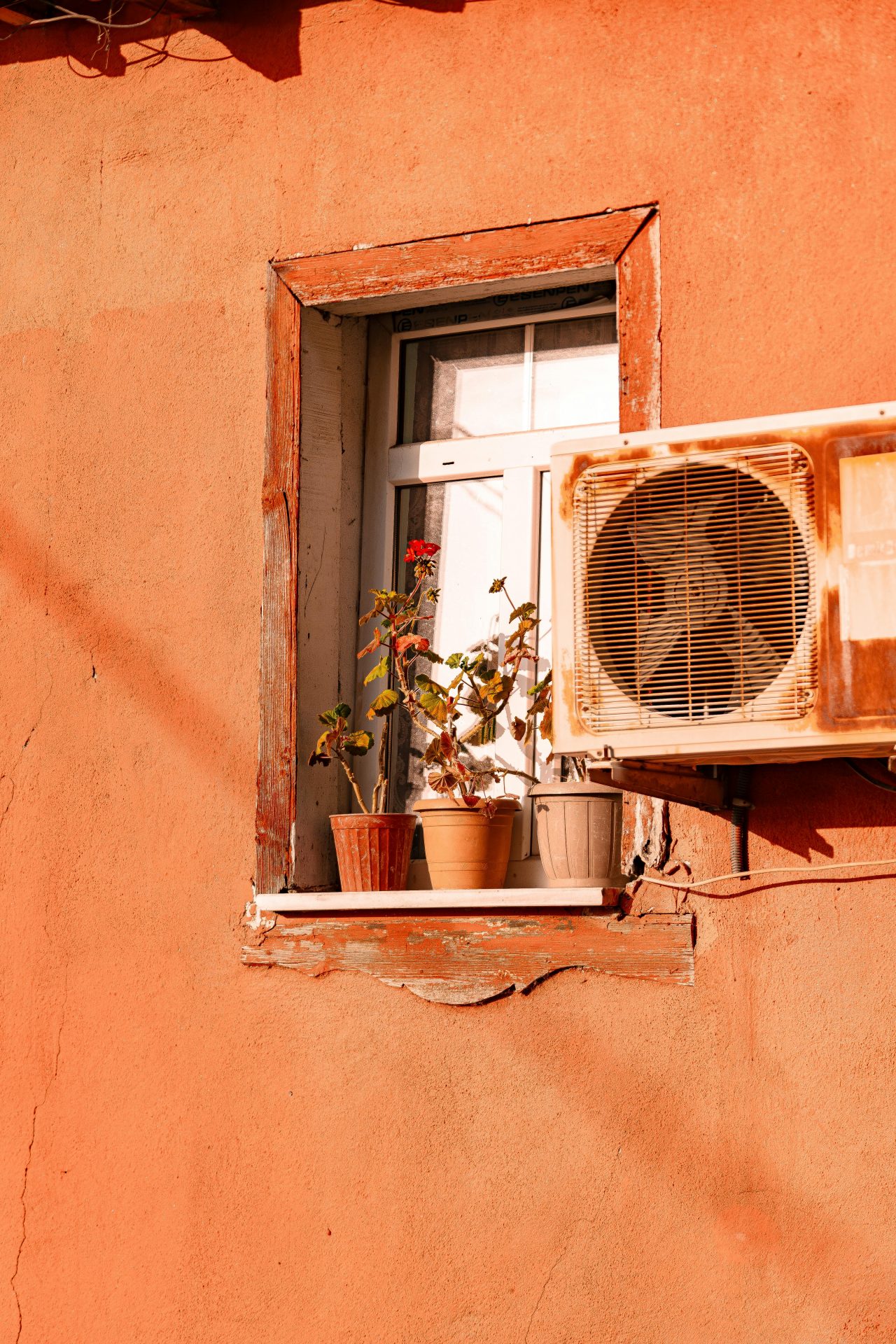
If this spring is any indicator, it looks like this summer is shaping up to be a hot one. Regions across the US have seen record breaking high temperatures this spring1 and many parts of the West have seen considerably lower amounts of rain and snowfall than normal. This has me thinking about what I can plant to keep my garden producing through the summer heat.
Here’s the good news. There are crops you can grow that are better at withstanding drought and high summer temperatures, so you’ll be ready, come rain or shine. A few caveats before we dive right in. First, any plant will be more capable of reaching its peak performance when it has its maximum amount of water available to it. Secondly, because this applies to all of the plants included here, and I only want to say this once, these plants must be established in order to withstand drought. Meaning they need time for their roots to develop and reach deep into the ground to fortify their heat and drought hardy constitution. While developing, they should receive a regular regimen of water. Taper watering back as plants mature to deep watering once or twice a week. This type of watering encourages the development of deep roots.
What are these vigorous veggies you ask?
Beans
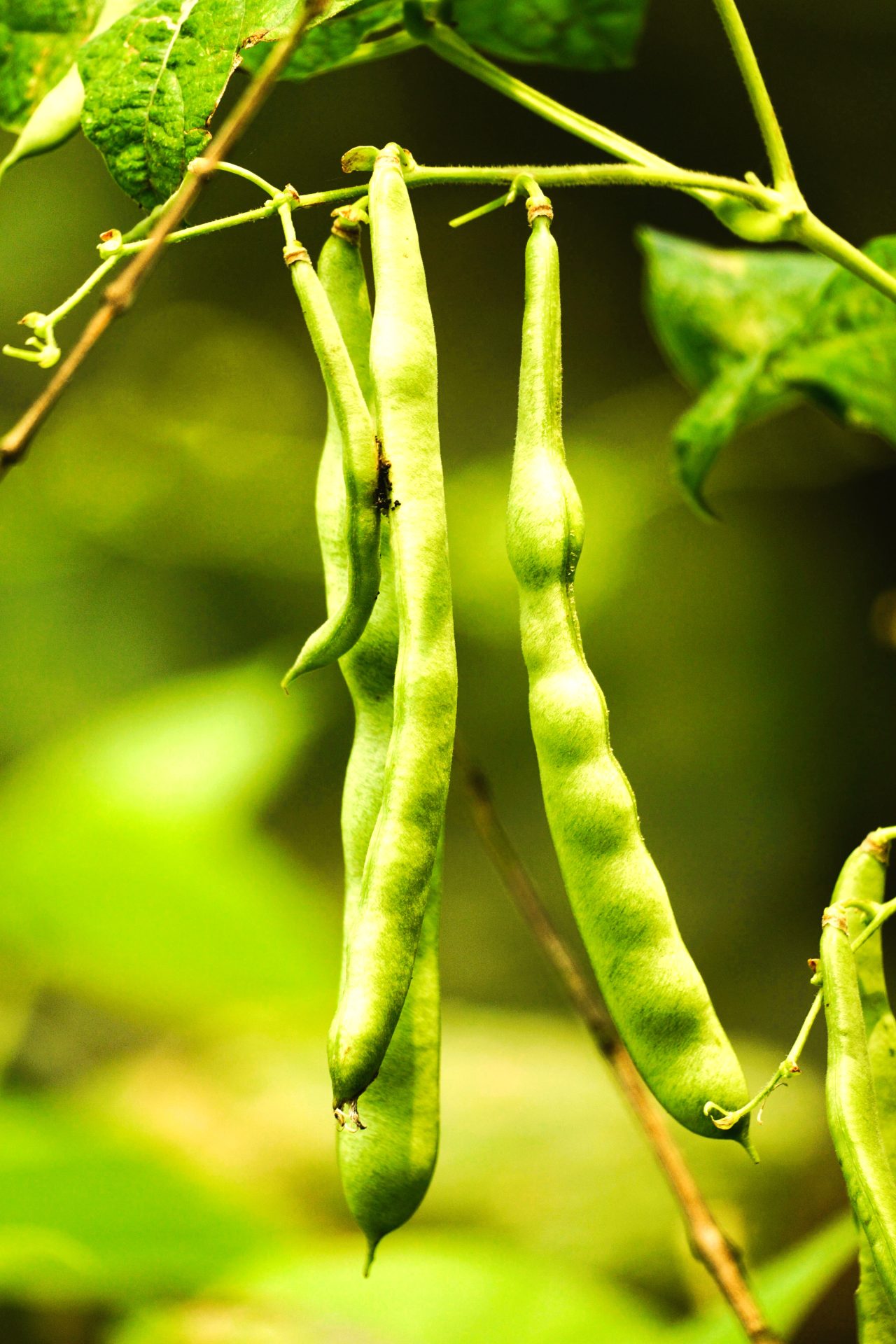
Beans are heat loving plants. The beans we know and love today were first domesticated in some of the warmest regions of the world; Thailand, sub-Saharan Africa, South and Central America. Knowing where they were first cultivated, it makes sense that they would be happy in the heat and able to adapt well to desert conditions. In fact, beans don’t like to have ‘wet feet’ and too much water is often more detrimental for them than too little. Varieties such as pinto, cowpeas (black-eyed peas), and some green beans like tendergreen are especially drought tolerant.
Solanaceae
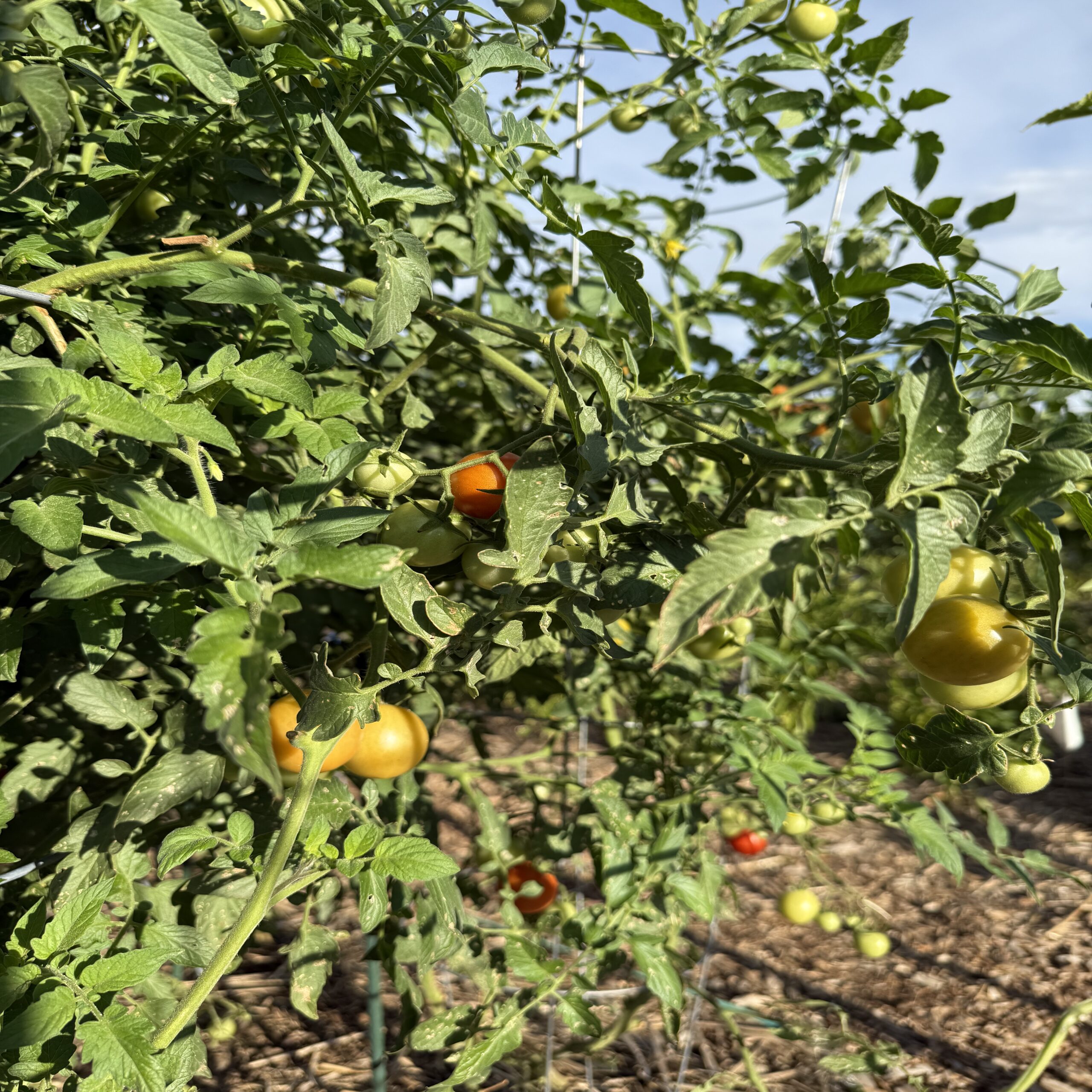
Not all members of the Solanacea family, mind you. There are over 2700 members of the Solanaceae family spread all across the globe and not all of them are great for eating. Some of our favorites, however, such as tomatoes, peppers, and eggplants preform well in hot dry conditions. These plants form deep roots that reach far into the earth to find water. While too much direct sun can lead to sunscald, moderate heat stress often results in sweeter, more delicious tomatoes. There is speculation that hotter peppers are more drought tolerant. This could be attributed to physiological characteristics, such as smaller leaf size or more compact growth. Or may be a misinterpreted correlation, as drought stress often leads to increased capsaicin production, making for spicier peppers.
Amaranthaceae
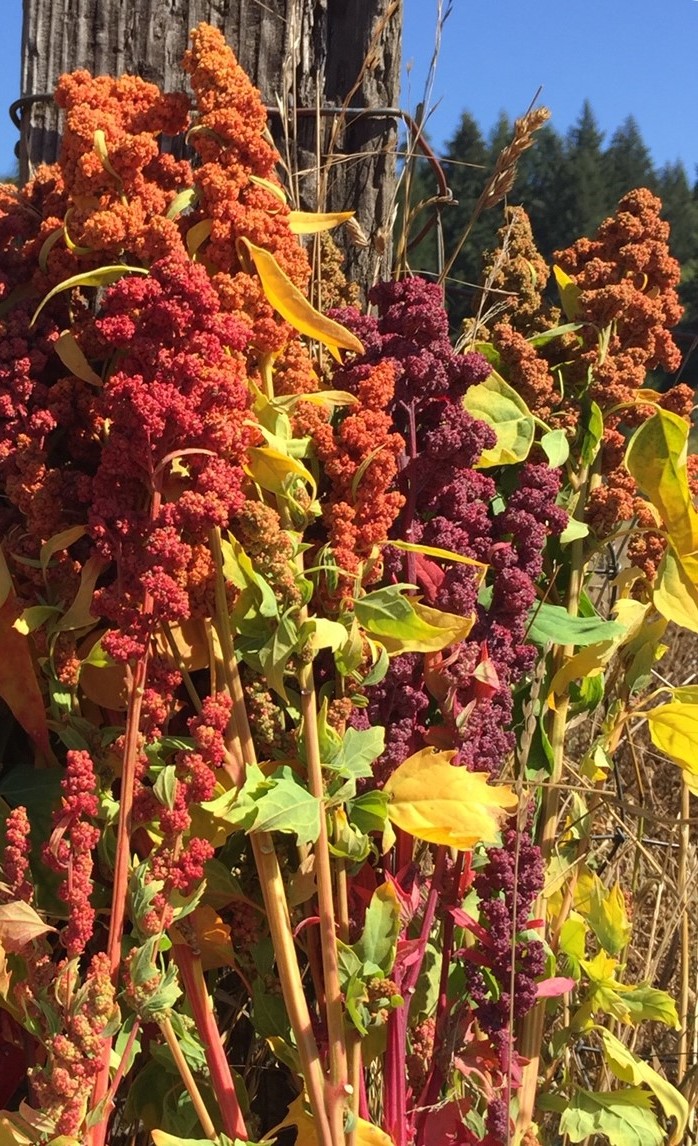
These ancient grains were first cultivated in Central and South America where they thrive across a multitude of conditions. They do well in disturbed soil, even when poor in condition. Areas where plants of a more delicate constitution would rather die than step root in. And they proliferate across many climates as well. “The range over which [quinoa] naturally occurs is an indication of the adaptability of quinoa: it can grow where rainfall is as little as 3” per year or as much as 75” per year.”2 Highly drought tolerant, Amaranth and Quinoa don’t just survive, they thrive in dry spells.
Winnow…what?
So, you grew some ancient grains, now what? How do you turn these plants into something you can actually eat?
Step 1 – Allow seeds to fully mature and dry on the plant.
Step 2 – Harvest the seedheads and separate the seeds by shaking, beating, or stripping with a gloved hand into a container. I like a five-gallon bucket for this. This process is called threshing.
Step 3 – Quinoa and amaranth do not have hulls like many other grains, but there will be other bits chaff that will need to be removed. This is called winnowing and the easiest way to do it is by spreading the seed out on a mesh screen and using a fan to blow the finer plant particulate away, leaving just the seeds.
Step 4 – Quinoa has a saponin coating which is bitter and will need to be rinsed away. Use a fine mesh strainer or a cloth bag to rinse your quinoa until no longer frothy. Dry seeds thoroughly for storage after rinsing. I like to do this in the oven at 100 degrees until seed is completely dry. Amaranth does not have a saponin coating so it does not need to be rinsed.
Step 5 – Your quinoa and amaranth can be enjoyed whole when cooked like rice or ground into flour. Bon appétit!
Cucurbitaceae
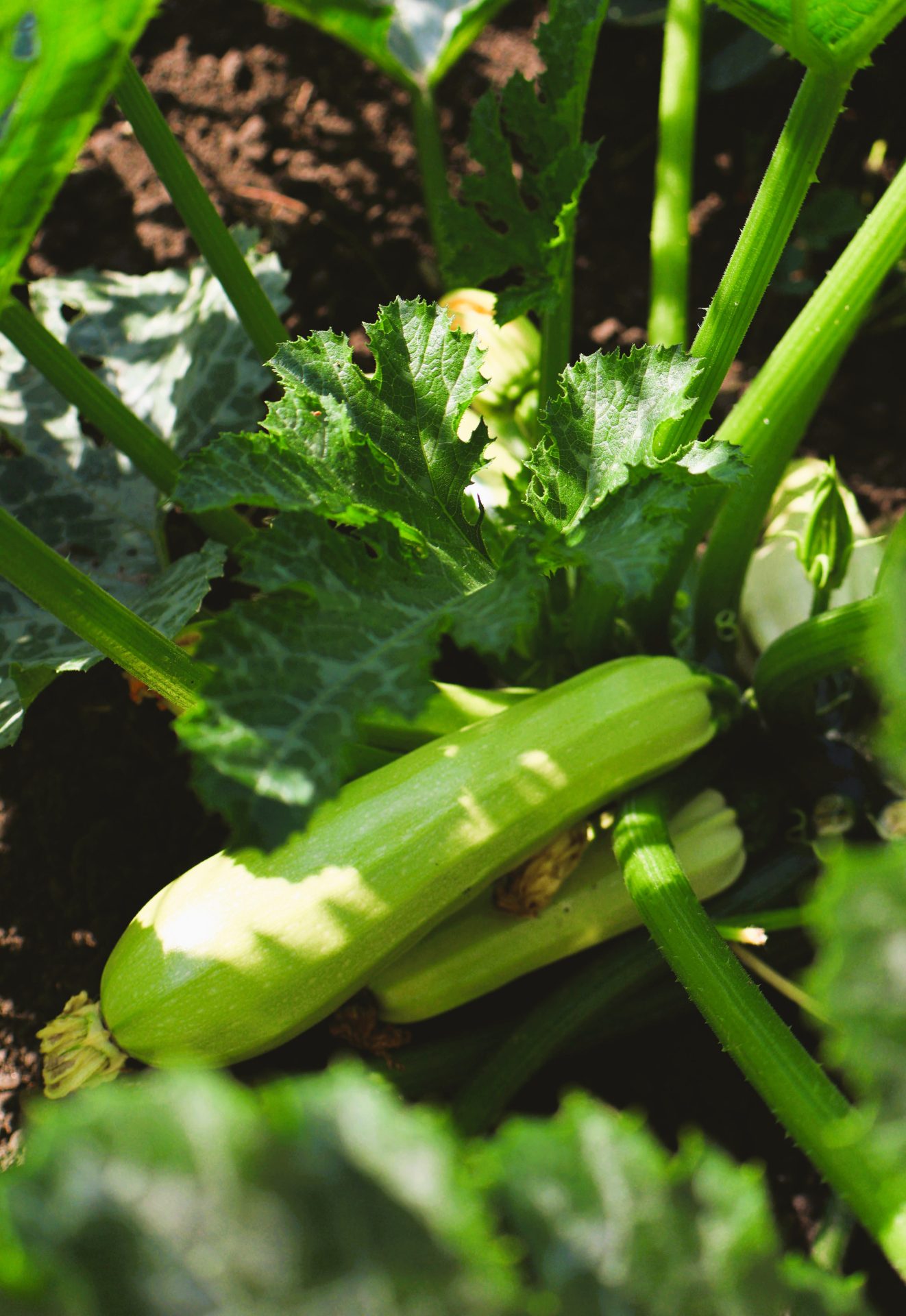
While squash and melons might strike you as plants that would need a lot of water, they actually are quite drought tolerant, due in large part to their deep roots. Their large leaves also help out. Though they do lose some water to evapotranspiration across the large surface area of their leaves, the shade this foliage provides does even more to protect the soil below and retain moisture.
Greens
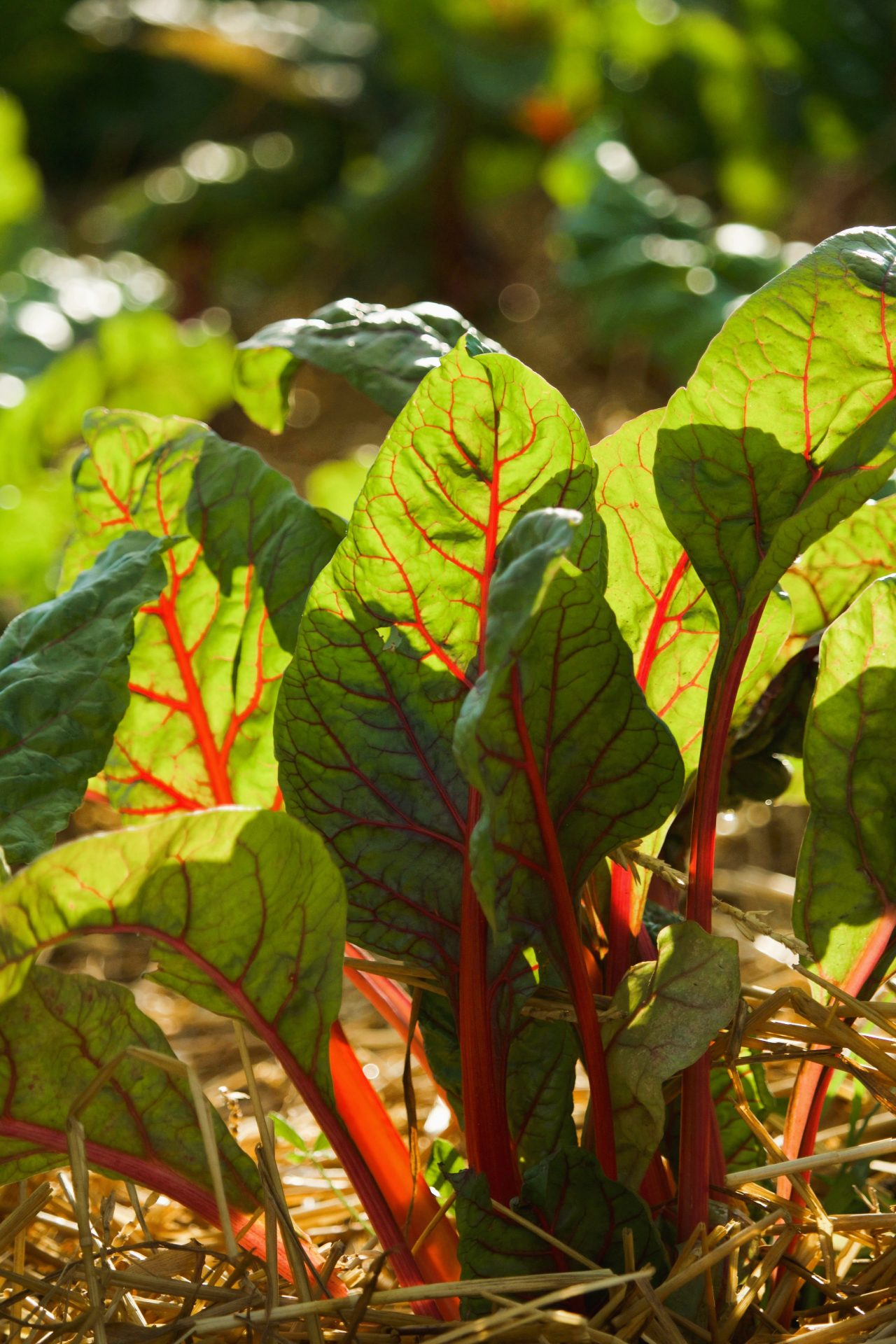
Leafy Greens prefer cooler weather and are more often planted as spring and fall crops. But that’s not great because, like, how are you supposed to survive without green smoothies? Never fear, chard and kale are here! In addition to being more heat tolerant than other leafy greens, they also have a thicker, waxier cuticle, which helps them to retain more water.
Artichokes
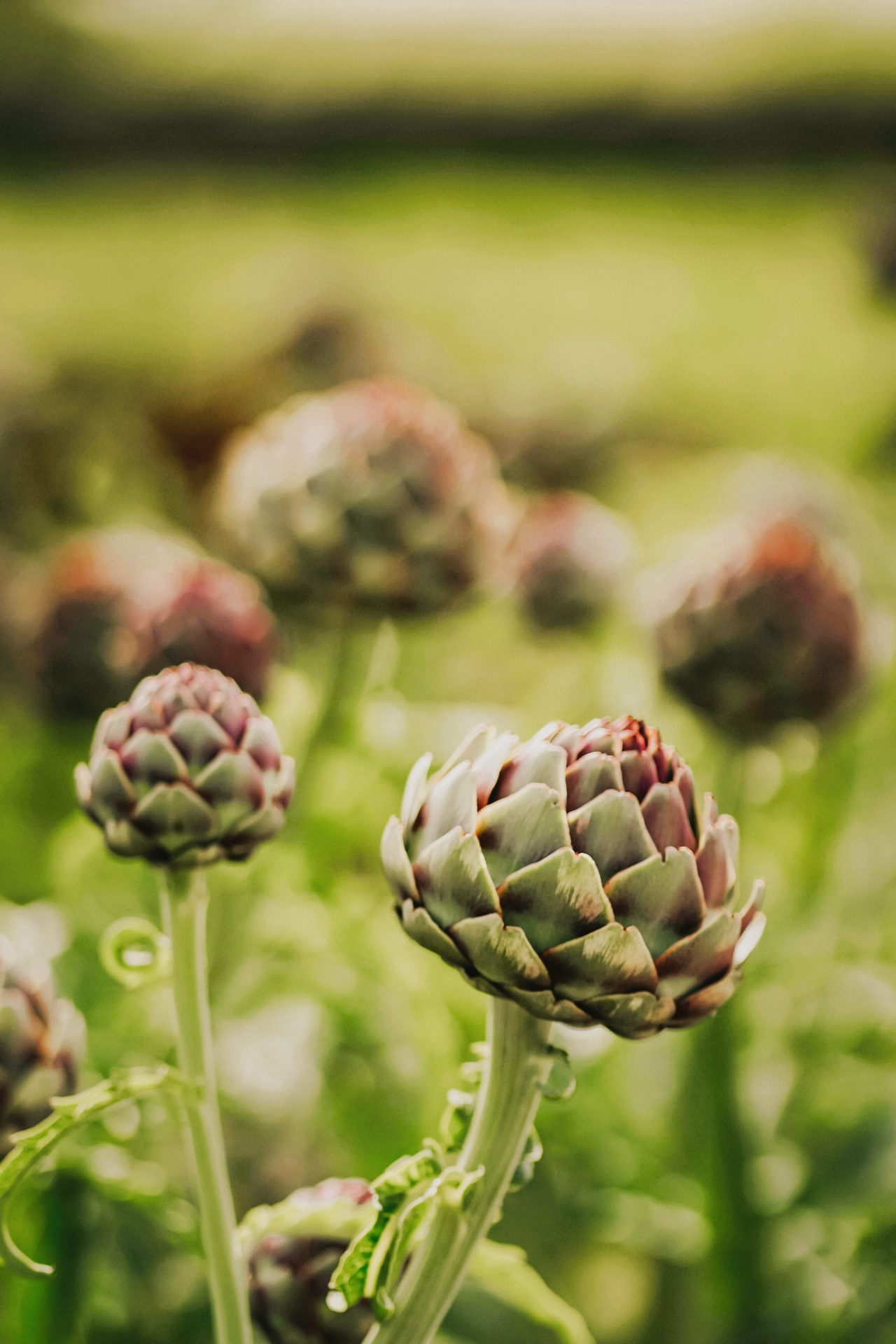
I’m going to cut straight to the heart of the matter here…artichokes are really just tasty thistles. Have you ever tried to get rid of thistles? It’s almost impossible! I’m not saying artichokes are as aggressive or problematic as their pernicious cousins, but it makes sense that they would have some of those same characteristics of resilience.
If The Well Don’t Run Dry
Here are a few additional tips on wise watering!
- Water deeply once or twice a week.
- Water early in the morning.
- Water at the base of your plants. Drip lines are ideal for this.
- Mulch to help retian moisture.
- Containers and raised beds are more prone to drying out. Ground gardens are ideal when possible.
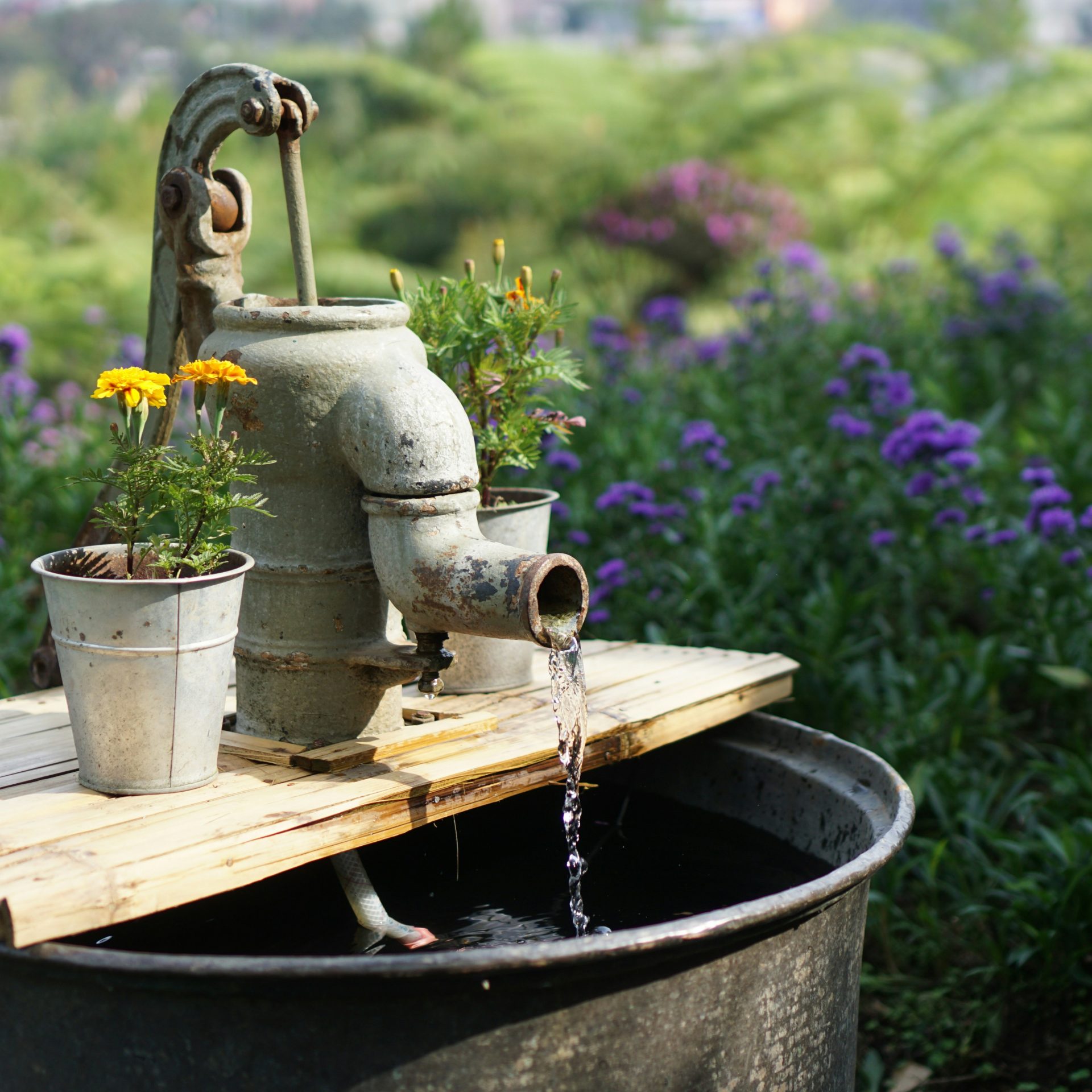
- Keep our pollinator friends in mind and be sure to include a pollinator drinking station.
If we all do what we can to be conscientious about how much water we’re using, hopefully our gardens will still be standing when the dust settles.
- Simmone Shah. 2026, Mar 26. A Record-Breaking Spring Heat Wave Is Making Its Way Across the U.S. Here’s What To Know. Time magazine [online]. https://time.com/article/2026/03/26/spring-us-heat-wave-climate-change/ ↩︎
- Ian Dixon-McDonald, et all. (Spring 2015). Oregon State University Collaege of Agricultural Sciences Small Farms Program. Growing Quinoa in the Willamette Valley. smallfarms.oregonstate.edu/growing-quinoa-willamette-valley ↩︎