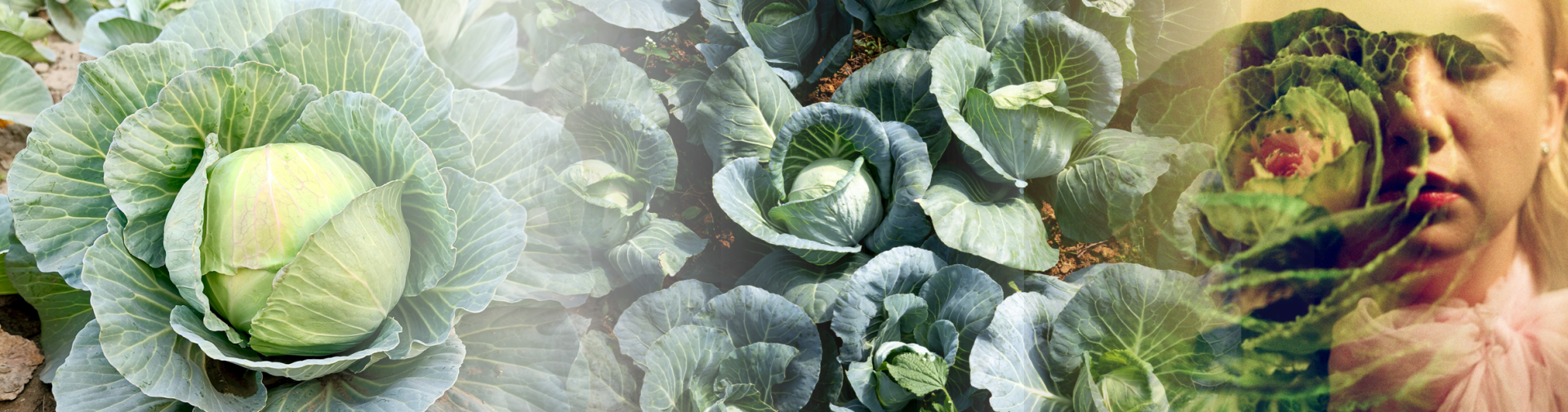


Of Cabbages & Kings
Cabbage: It’s So Hawt Right Now.
One of the big take aways from this year’s American Seed Trade Association meeting was simple, yet profound: Cabbage—it’s going to be big this year.
Hold on. You mean the nutritional staple enjoyed by peasants for the past 4,000 years? You mean to tell me that the humble basis for all of poor Charlie Bucket’s watery soup in Charlie and the Chocolate Factory is 2026’s hot tamale? For proof you need look no farther than Vogue’s January issue proclaiming it to be so.1

Wait, what? Vogue is predicting the popularity of vegetables now? Hopeful that the magazine featured frocks embellished with fringes of shredded red and green cabbage, or a vegetarian version of Lady Gaga’s meat dress? The cruciferous couture possibilities were sprouting in our imagination!
But alas, when we checked it out the only actual vegetative garment in the Vogue spread was the Alexander McQueen purple cabbage print fleece sported by British gardener Gerald Stratford.
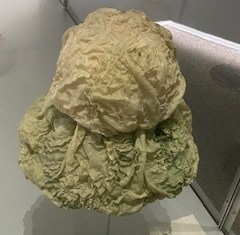
The finery we were hoping for, like this hat featured in the Met’s 2024 exibit “Sleeping beauties reawakening fashion: the garden of time”
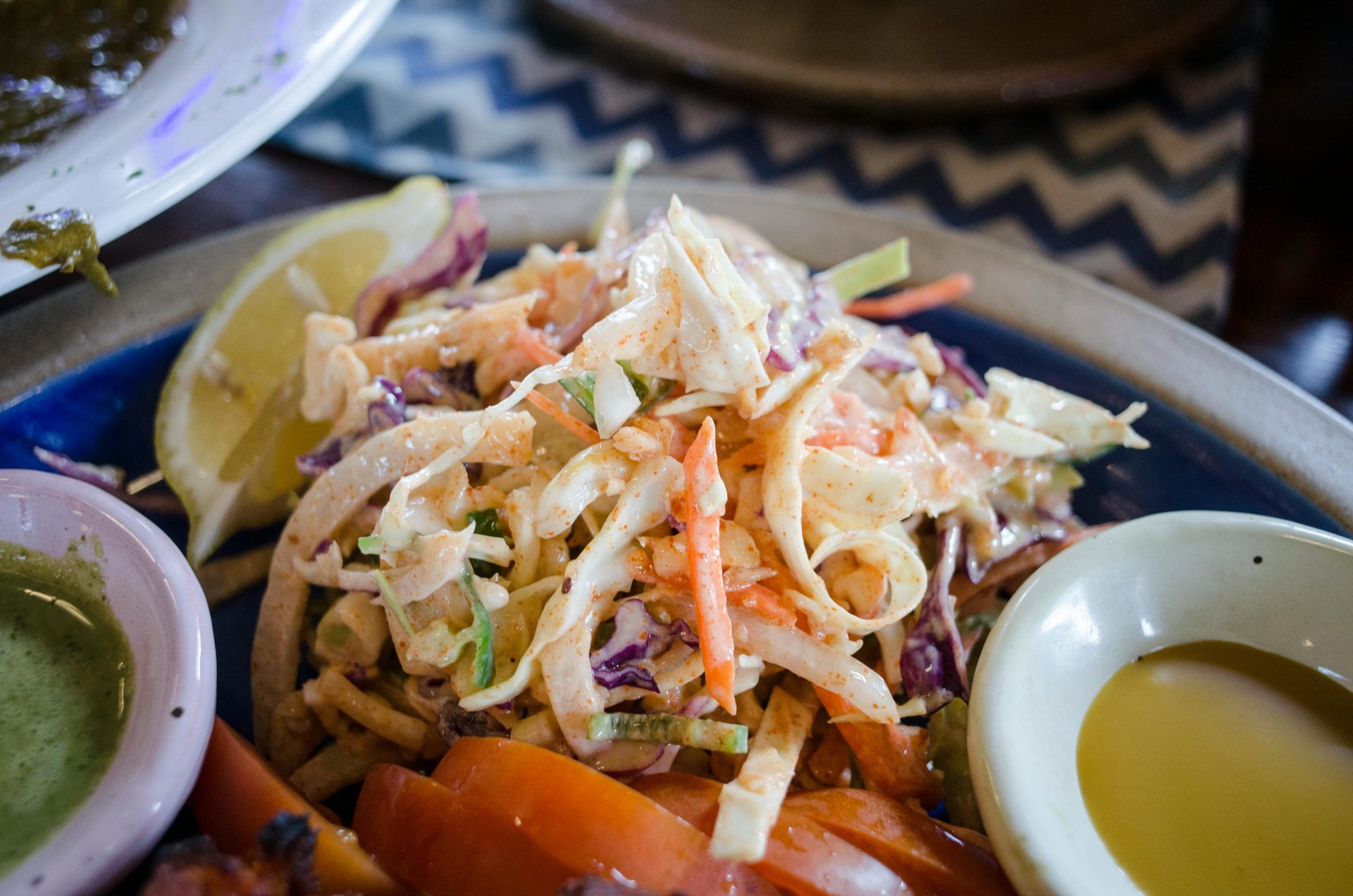
But there was plenty of praise for the humble but mighty cabbage. It may be basic and not as sexy as, say, artichokes, but it is so full of possibilities. You can eat it raw, in coleslaw or other salad situations. Don’t forget it on top of fish tacos! You can cook it up into delicious soups or stews, roll leaves of it around filling and bake, even grill wedges until browned and carmelized. And it IS a staple the world round. Cultural traditions featuring different types of cabbage keep families fed and connected to their roots.
Steeped in Vinegar & Tradition
Probably one of the most enduring and endearing ways to consume cabbages is fermentation. Whether you call it sauerkraut or kimchi this is probably one of the most important uses of this vegetable. It’s delicious, nutritious and beneficial to your well being and digestion. Cultural traditions surround the process and people firmly believe their forebears to be the master of the dish.
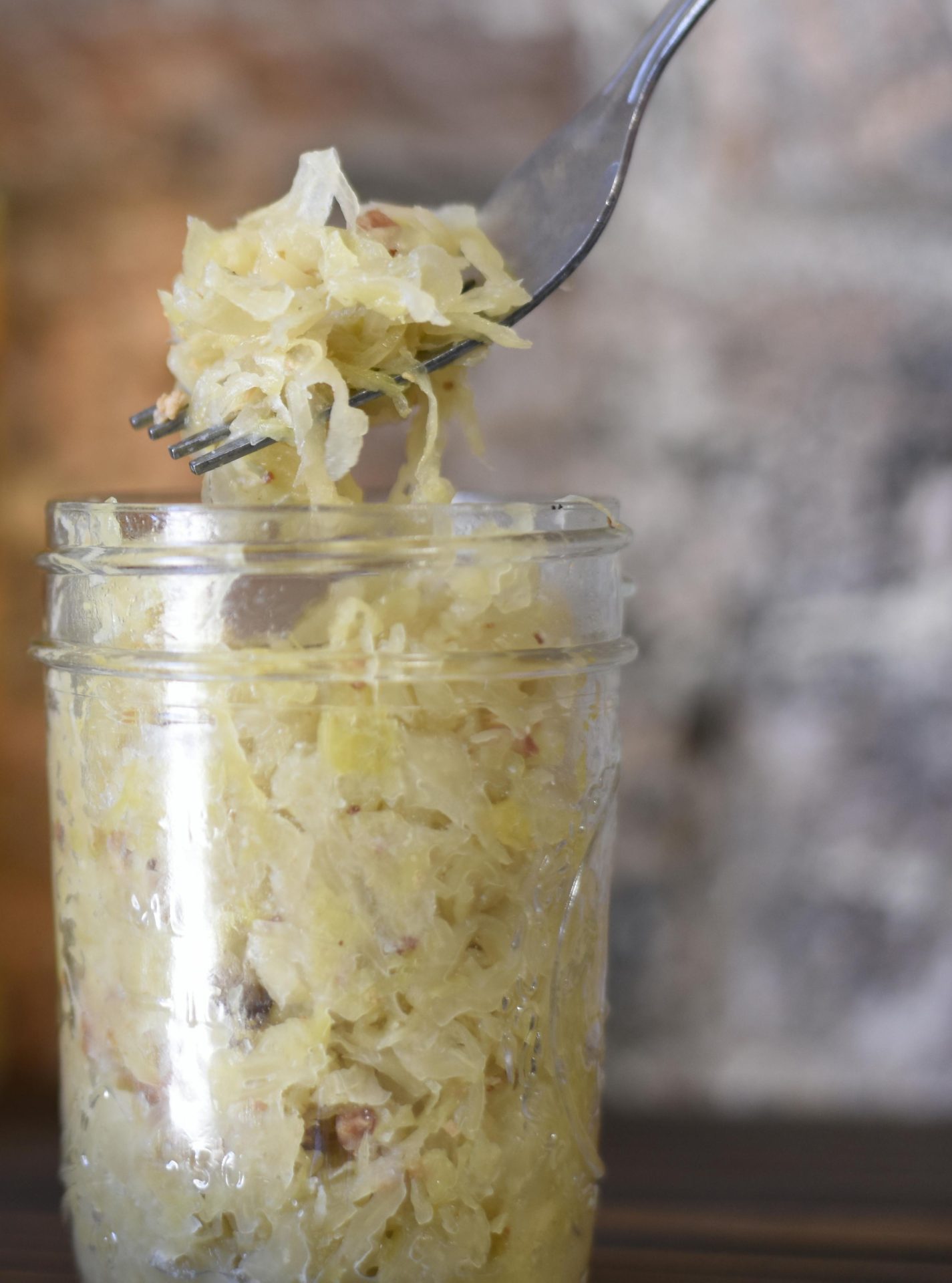
The younger generations often don’t know why fermented cabbage is so important, they just know it has always been that way and always will be. “We always had to have pork roast and sauerkraut on New Year’s Day in our house, it’s just something we do.” one co-worker told me. “Always.” When I tell her lots of folks have cabbage on New Year’s to bring prosperity to the home because cabbage symbolizes money. “That makes sense,” she said “though it didn’t bring us any more money.”
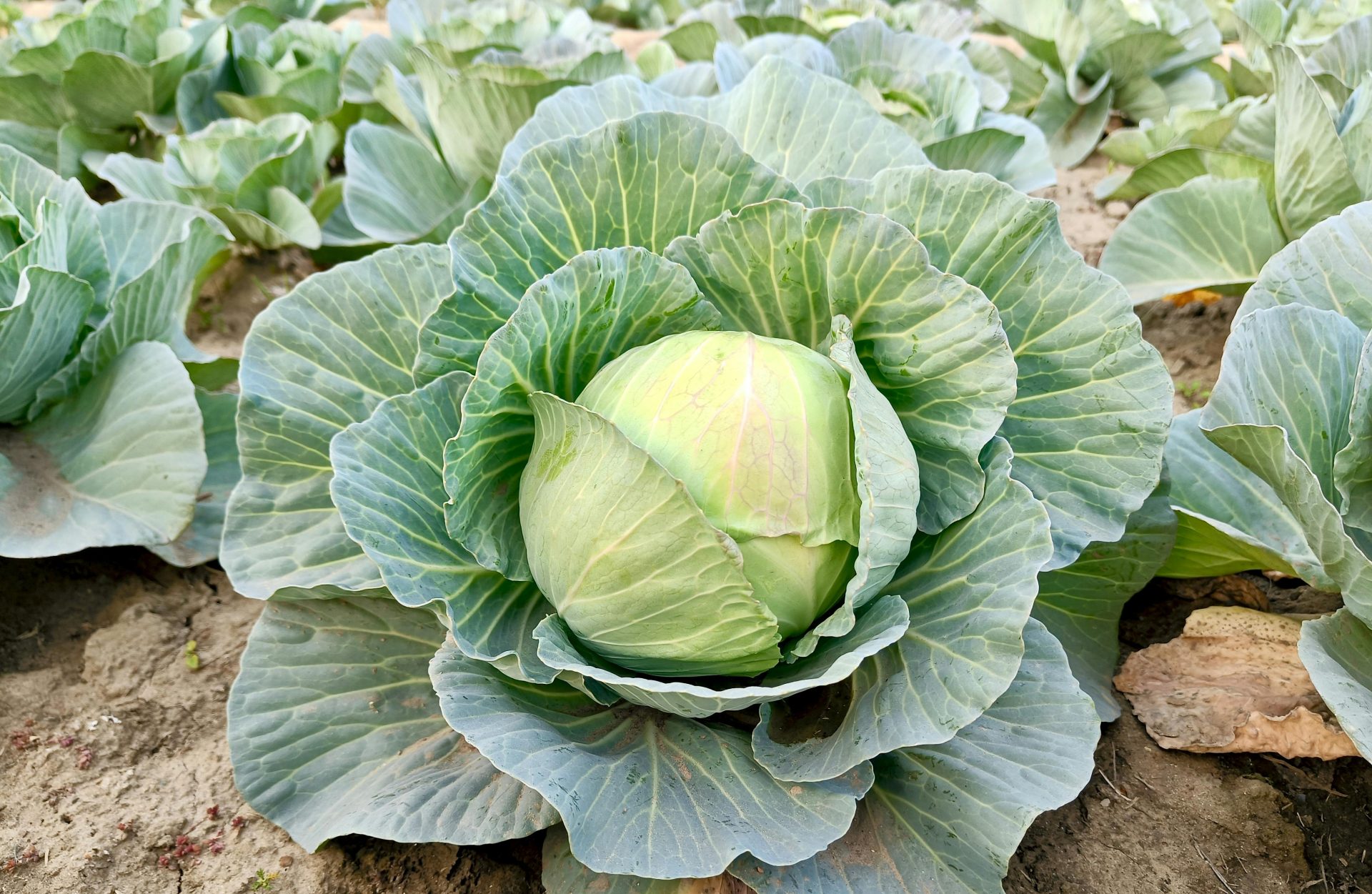
It’s easy to see why they have been such a staple—they’re even easy to grow in your own yard. Seeds can be planted a couple of weeks before the last frost in the spring, and you can get another load in the fall by replanting mid summer. Even though brassicas can fall prey to pests like cabbage moths and aphids you can take steps to prevent that by planting Thyme or Nasturtiums nearby.
So just remember–if you’ve been waiting for vegetable vestments and garden inspired garb step in to the full spectrum spotlight. The time has come to shine.
- Anna Grace Lee, “Everything’s Coming Up Cabbages: How the Leafy Green Got Chic” Vouge, January 14, 2026, https://www.vogue.com/article/cabbage-trend ↩︎