


What In The Basket of Beans Is Going On Here?
Every year we sell thousands and thousands of packets of bush beans to happy customers. And every year, I hear from two or three of them that are less happy. Their plants seem to be doing well, but they’re not growing as expected. They’re not making mountains out of hills of beans, they’re just…disappointed. So, what’s the deal with these beans? Let’s dig in.
How Many Beans Make Five
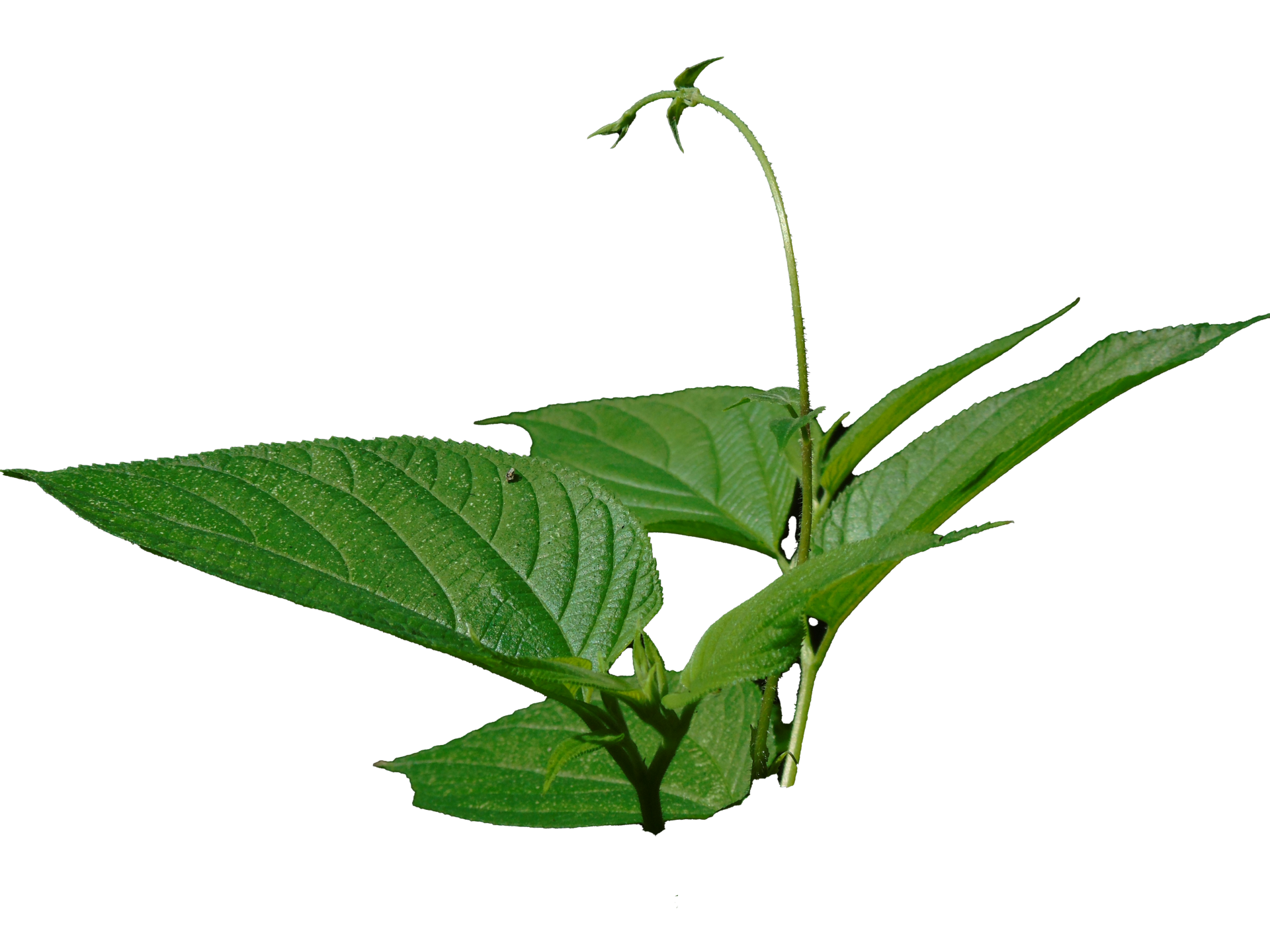
It is not uncommon for bush beans to produce short runner strands. Often these plants will send out one or two runners that don’t go very far before stopping. You can nip these back, though leaving them is likely less stressful for the plant. It is okay to allow these to sprawl and if necessary, they can be trained in an out-of-the-way direction. In some instances, this habit can become more pronounced. This is usually brought on by environmental conditions. Understanding the environmental conditions that can contribute to this growth habit can also help to manage it.

Runners can be a result of plant stress caused by things like drought, high temperatures, and other environmental factors, but they can also be brought on by ‘overly favorable’ conditions. Heavy watering or high nitrogen fertilizer can be a catalyst for vigorous growth in foliage at the expense of fruit. Insufficient sunlight and compacted soil can cause runners to form as well, as the plant seeks out more optimal areas. Conversely, extended daylight hours can also influence changes in growth behavior like increased foliar growth.
What Can You Do?
- Plant beans in loose, well drained, average soil in an area that receives adequate sunlight.
- Monitor soil moisture closely by using something like a screwdriver to probe down 6 to 8 inches to check soil moisture. Once plants have become established, it is okay to allow the top layer of soil to dry out in between waterings as long as soil remains moist beneath.
- If heat stress is a concern, ensure adequate water and consider providing a 30-40% shade cloth. *It is common for plants to appear slightly wilted during the hottest part of the day. This is because the water transport systems within the plant can’t keep out with the amount of water being lost due to evapotranspiration. There may still be plenty of water in the soil, it just can’t move up the plant fast enough. These plants will rebound and perk back up as temperatures begin to decrease in the evening, but it is not uncommon for gardeners to see their plants in distress and overwater in response.
- If fertilizing, choose a low-nitrogen fertilizer. Beans are nitrogen fixers, so they are able make their own nitrogen by pulling it straight out of the air! Adding nitrogen in excess can complicate their growth in unproductive ways.








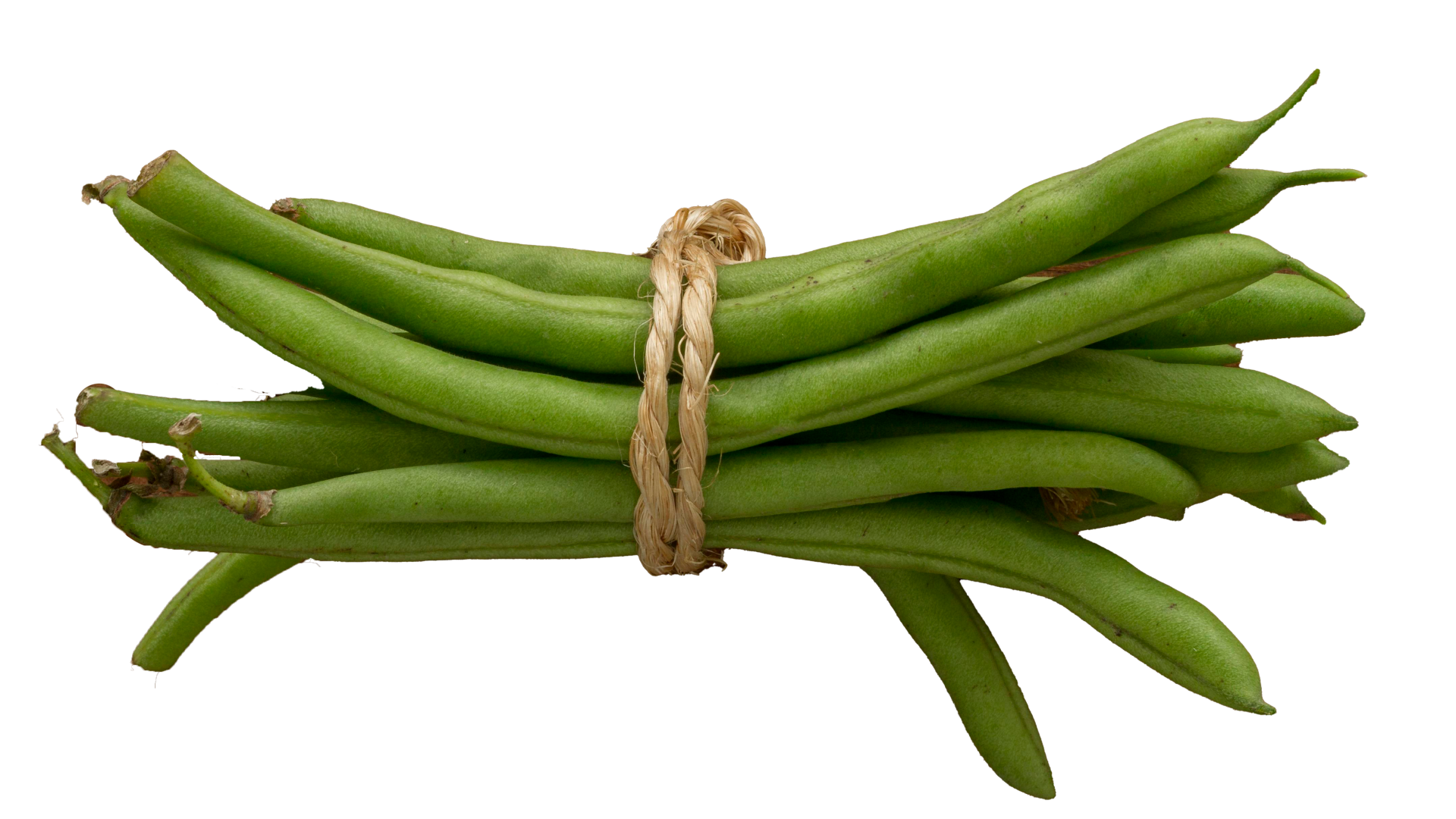
Once your beans begin producing, keep a close eye on them. Harvest snap beans young for best flavor and texture. Beans left too long on the vine will become tough and stringy. Drought and heat stress can also cause beans to be tough, fibrous, and lacking in flavor.
If you’re keen as a bean to get your garden growing, keep these tips in mind when planting bush beans. Happy gardening!