

Winter Survival Mode
I’ll Just Be Over Here Dyeing Until I Can Get Back In The Garden
As the days are growing shorter so is my garden To Do list. Putting the garden to bed for the season is far easier now that I leave the stalks and seed heads to provide food and homes for birds and insects over winter. I do still have my cool season crops going, some may even keep growing through the winter, but they don’t require much attention. This has me thinking about how I’m going to fill my time in the long, dark of winter.
So naturally, I’m thinking about arts and crafts.
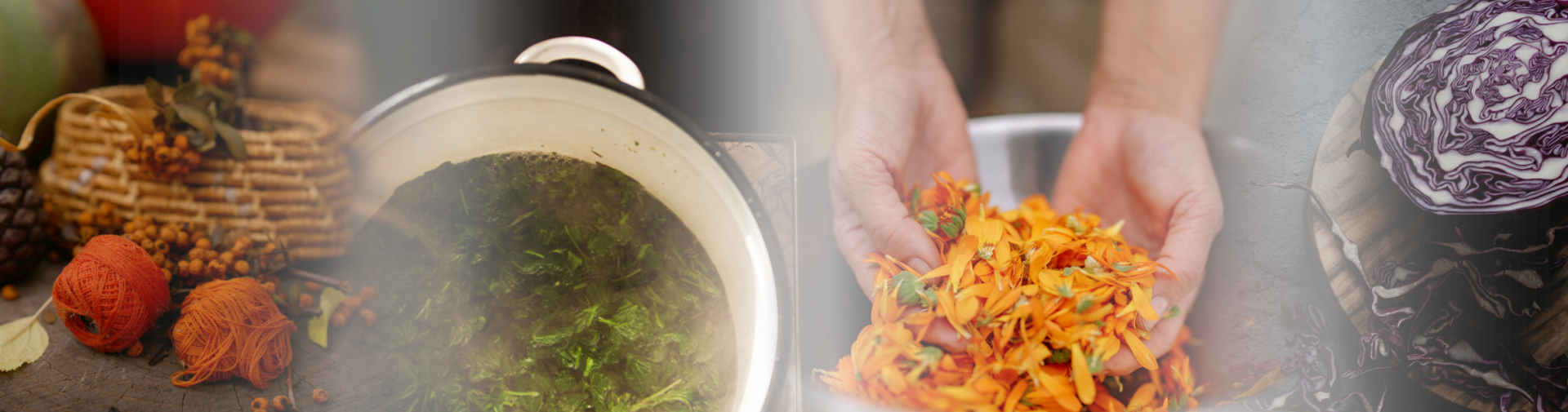
There are so many artistic applications for things you can grow right in your own garden! Among my favorites are natural dyes and pigments. Long before the advent of synthetic fabrics and neon paints, humans learned how to crush flowers, plants, and minerals in order to create colorful pigments. These pigments can be used to make paints or to dye fabric. Many of the plants used are still commonly grown in gardens, you may even be growing some of these already.
These are some of my favorite Lake Valley Seed varieties to grow for dyeing
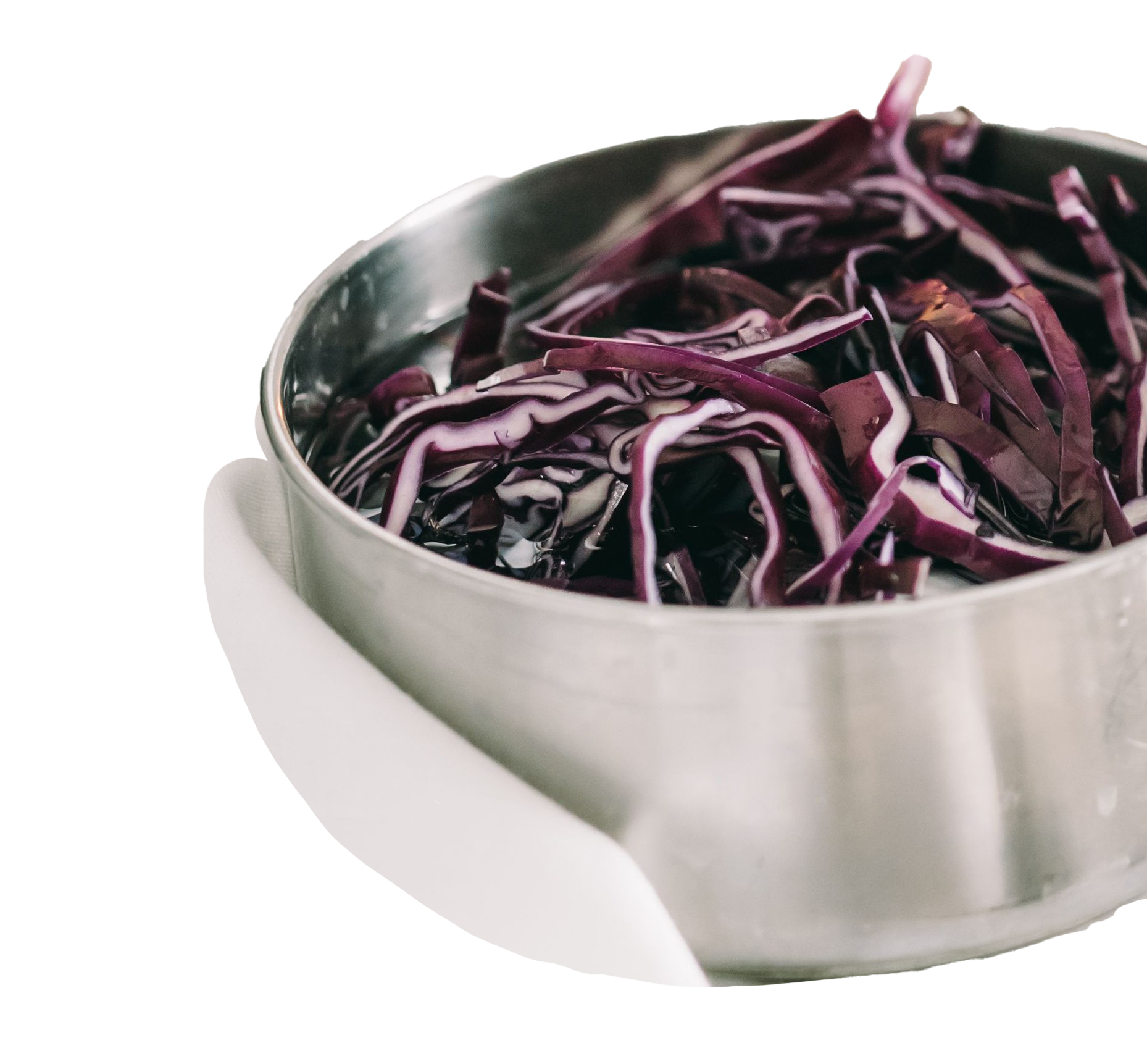
Red Cabbage
Making dye with red cabbage is so cool because it is pH sensitive. This means that using different fixatives to shift the alkalinity of your dye bath result in different colors. A more acidic shift using vinegar will result in pinker hues, whereas baking soda increases the pH creating blues and even moving towards teal as the solution becomes more alkaline.
Coreopsis
Depending on the variety used results range from sienna to orange to yellow. Marigolds and calendula produce similar results with varying shades of yellow and orange.

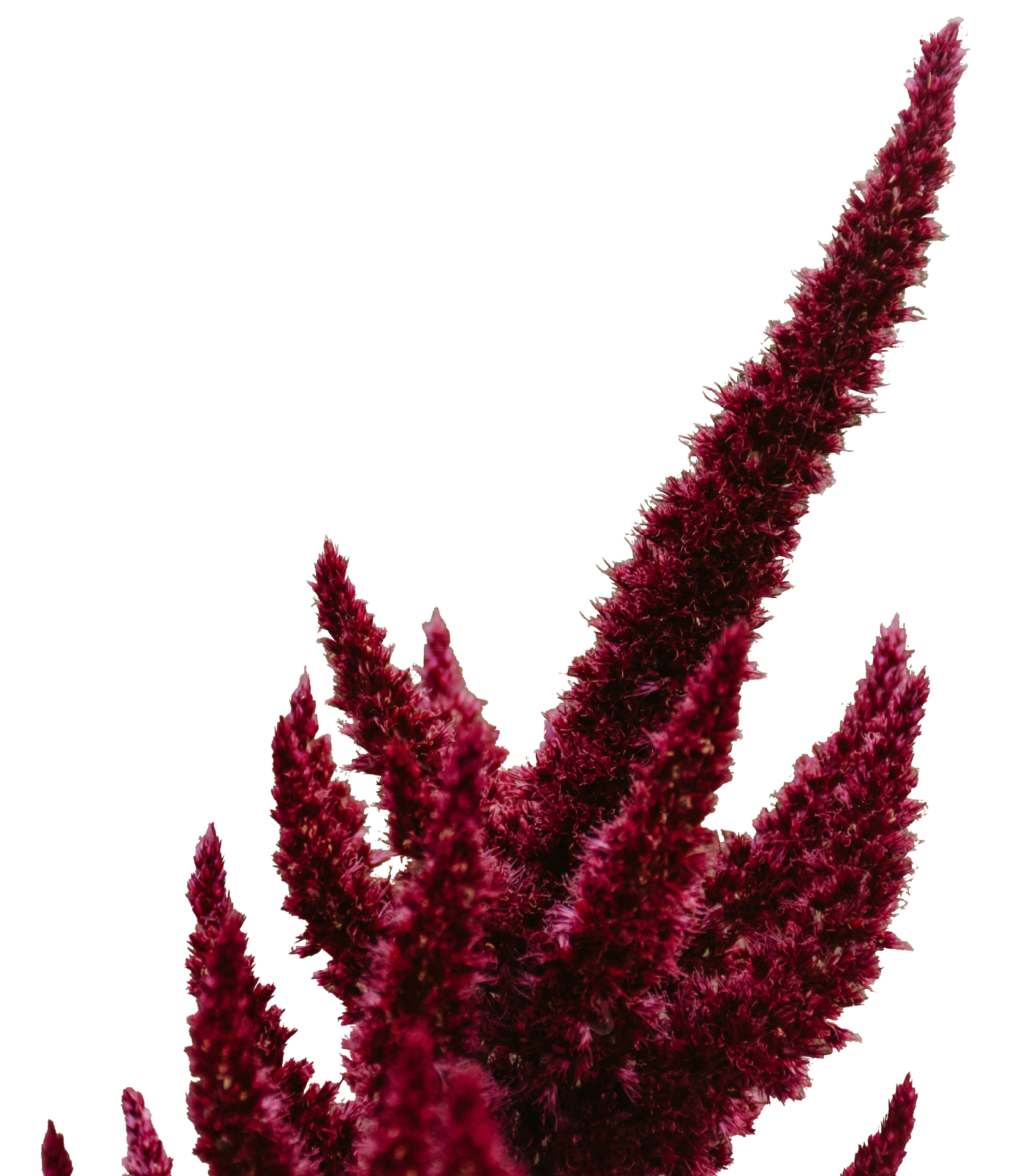
Amaranth
You can use the flowering tassels or if the leaves color red as well, such as in the Joseph’s coat variety, you can use those also to achieve lovely shades of pink.
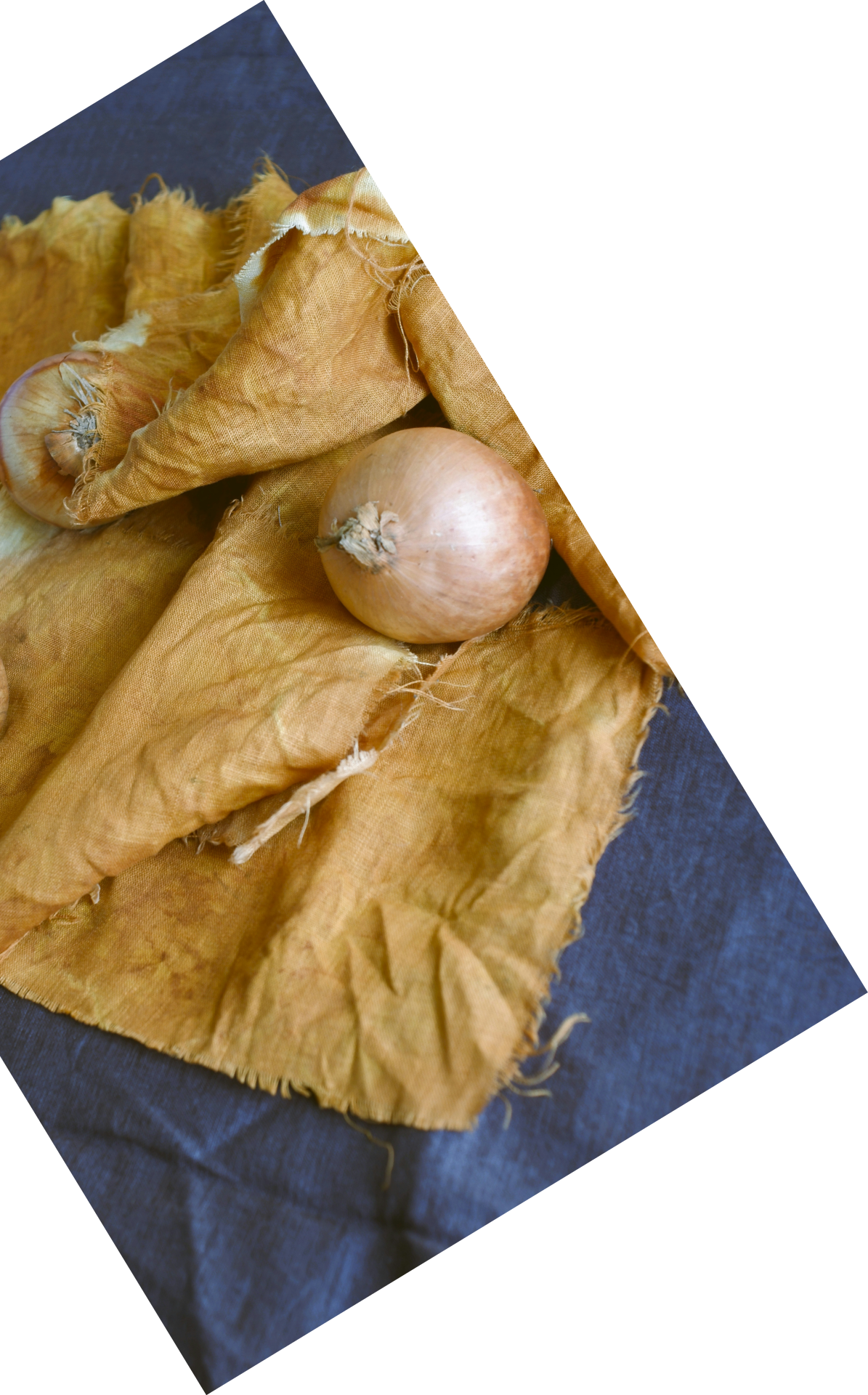
Onion skins
Yellow onion skins tend towards earthy tones of yellow to orange, while red onion skins produce shades of brown.
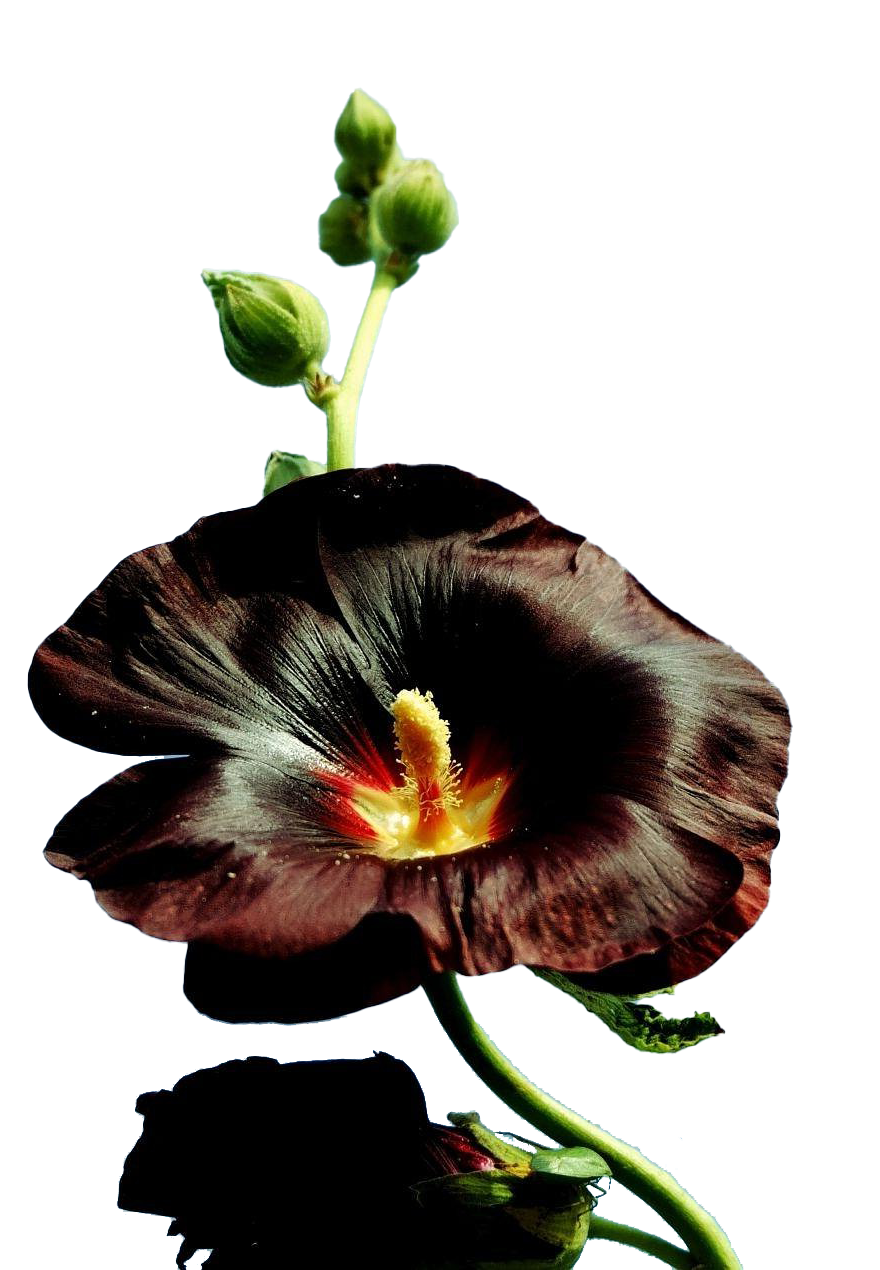
Black hollyhock
Dyeing with black hollyhock can result in hues ranging from blue and blue/green to shades of grey. It can produce lovely deep colors and is considered a functional alternative for true blues, compared to indigo, which entails a more complicated process for dyeing.
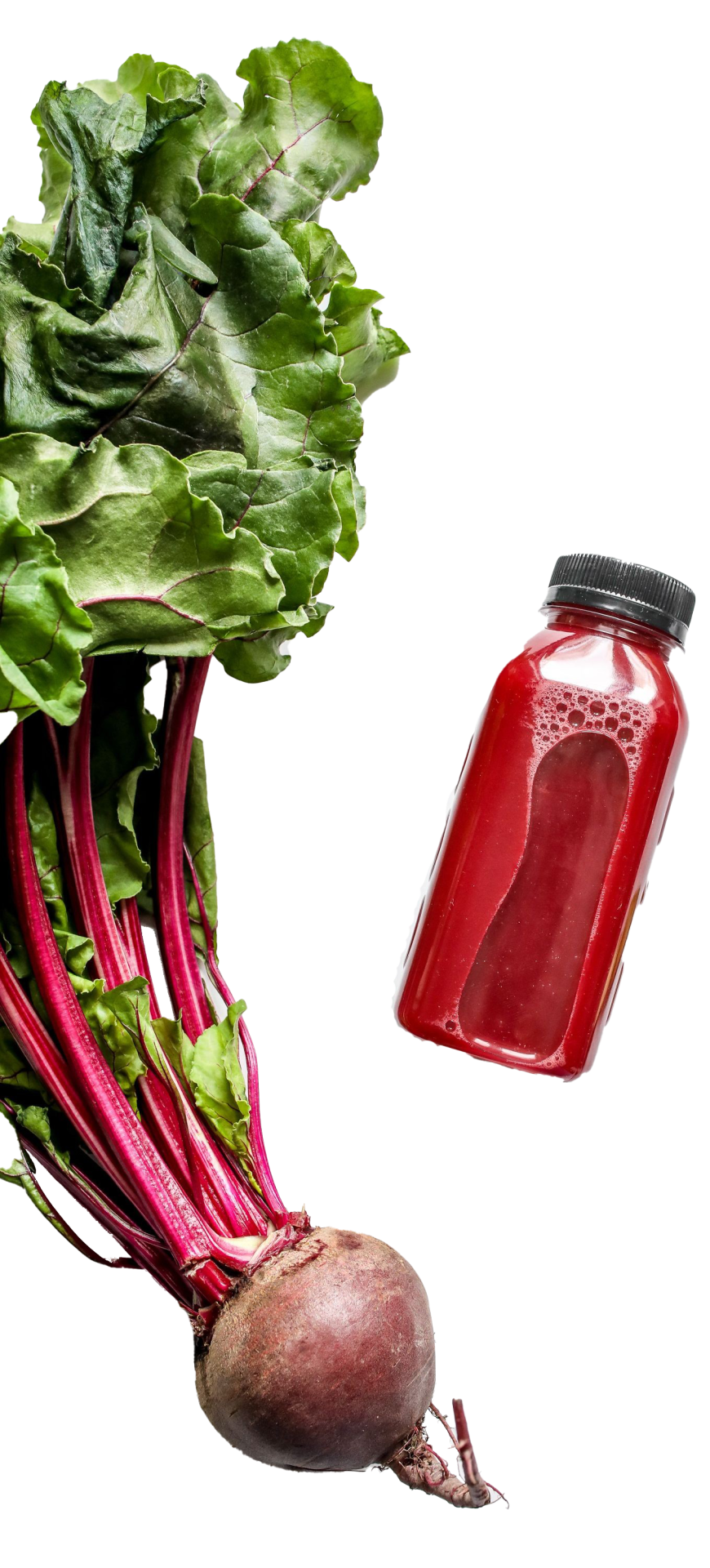
Beets
Unsurprisingly, beets produce a deep red to shades of pink, which, as anyone who’s ever spilled their heart-healthy smoothy down the front of their shirt could tell you, tends to be quite colorfast. My favorite varieties for this are the Detroit Dark Red and the Ruby Queen.
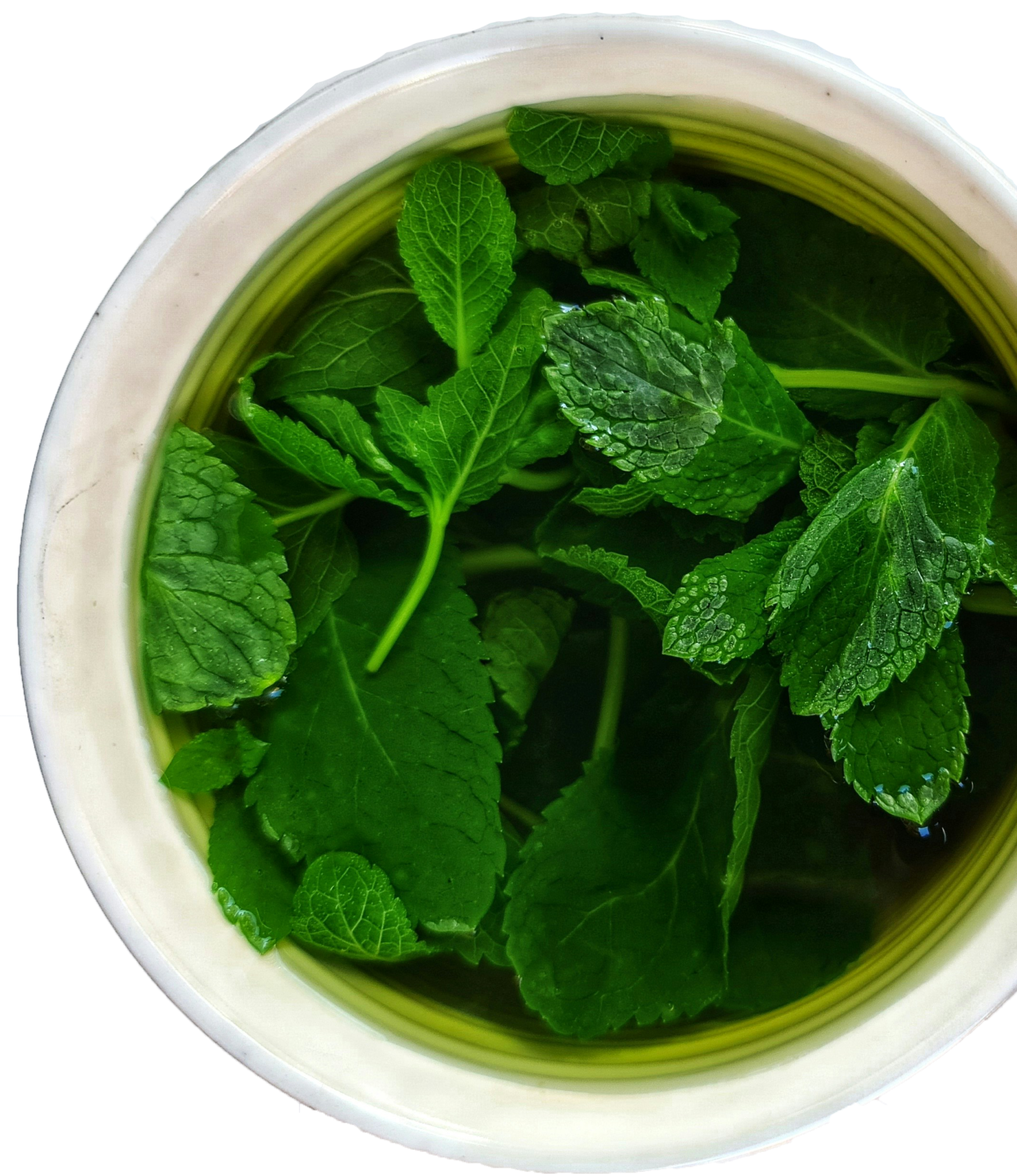
Spinach and mint
Obviously, there are a number of green plants in the world. However, chlorophyl is not considered a steadfast dye for clothing, but it can be fun and effective for other things like paper, so I’m still including it. Plus, using mint is very pleasant.
To achieve a more resilient green for fabrics, you could also try overdyeing with blue over yellow or yellow over blue.
Some dyes can be used as-is but others require a little something extra to help them bind with the material you’re dyeing and increase their vibrancy. These additives are mordants for dyeing animal fibers like wool or fixatives for plant-based fibers like linen or cotton.
The most common mordant for home dyeing is alum. There are a few types of alum. Alum is a hydrated sulfate salt which is made up of aluminum and one other metal. Some alums are more hazardous to use than others. Potassium alum is easy to find at your local grocery store in the baking aisle and considered a beginner-friendly mordant.
Common fixatives include salt, vinegar, cream of tartar, or baking soda. Different mordants, fixatives and types of fibers can result in different colors or intensity of shades. While these are relatively safe to use in dyeing, some be can skin and eye irritants or harmful if inhaled or swallowed. Always use caution when dyeing, don’t cook with containers or utensils that have been used for dyeing, and wear appropriate protective gear.
Also Good To Know –
- Pre-soak your fabric in a solution of water and the mordant or fixative before placing it in the dye bath. This will help to achieve more consistent and even color saturation throughout your fabric.
- Naturally dyed fabrics may fade more quickly with washing.
- The longer you leave your fabric in the dye bath, the more intense the resulting color will be.
- Running a batch of test scraps to remove at different time intervals can help you determine how long you need to soak your fabric to achieve the desired color saturation.
- Some natural pigments can be light or air sensitive and may change color over time.
- It’s a good idea to research the best procedure for the type of fiber/fabric and dye source that you intend to use would be.
- Use extreme cation if using mordants of Copper, Iron, Tin, or Chrome. These are toxic!
- Remember your protective gear and always dispose of dye baths appropriately. You can generally find this information for any mordant by searching for its Data Safety Sheet on the web.
There is so much fun and exploration to be had in experimenting with natural dyes. I hope this has helped to get you creative juices flowing. What are your plans this winter, fellow gardeners?